
You’ve had a long week. Your shoulders are tight, your mind is buzzing, and the idea of just lying still for an hour feels like a luxury you can’t afford. But what if the perfect escape is just a few blocks away? Melbourne isn’t just about coffee and street art-it’s home to some of the most calming, expertly crafted massage experiences in Australia. No gimmicks. No overpriced packages. Just real, deep relaxation that actually works.
Key Takeaways
- Melbourne’s top spas focus on therapeutic touch, not just luxury vibes.
- Deep tissue, Swedish, and hot stone massages are the most effective for true relaxation.
- Book ahead on weekdays for better rates and quieter rooms.
- Look for therapists with AHPRA registration for guaranteed quality.
- A 60-minute session typically costs between $80-$140, depending on location and technique.
What You Really Need: A Massage That Unwinds You
Not all massages are created equal. Some feel like a quick rubdown. Others feel like your body finally remembers how to breathe. The difference? Intention. The best spas in Melbourne don’t just offer massages-they design experiences that reset your nervous system. Think of it like hitting a soft reset button on your stress levels.
If you’re carrying tension in your neck, lower back, or shoulders-common for desk workers, parents, or anyone who’s ever driven through Melbourne traffic-you need more than a basic rub. You need a therapist who knows where to apply pressure, when to ease up, and how to read your body’s signals. That’s not magic. It’s training.
Types of Relaxation Massages Available in Melbourne
Here’s what actually works for deep relaxation, based on what locals swear by:
- Swedish Massage: Gentle, flowing strokes. Perfect if you’re new to massage or just want to melt into the table. Great for stress relief and circulation.
- Deep Tissue Massage: Targets chronic knots and tight muscles. Not for the faint of heart-but if your shoulders feel like concrete, this is your answer.
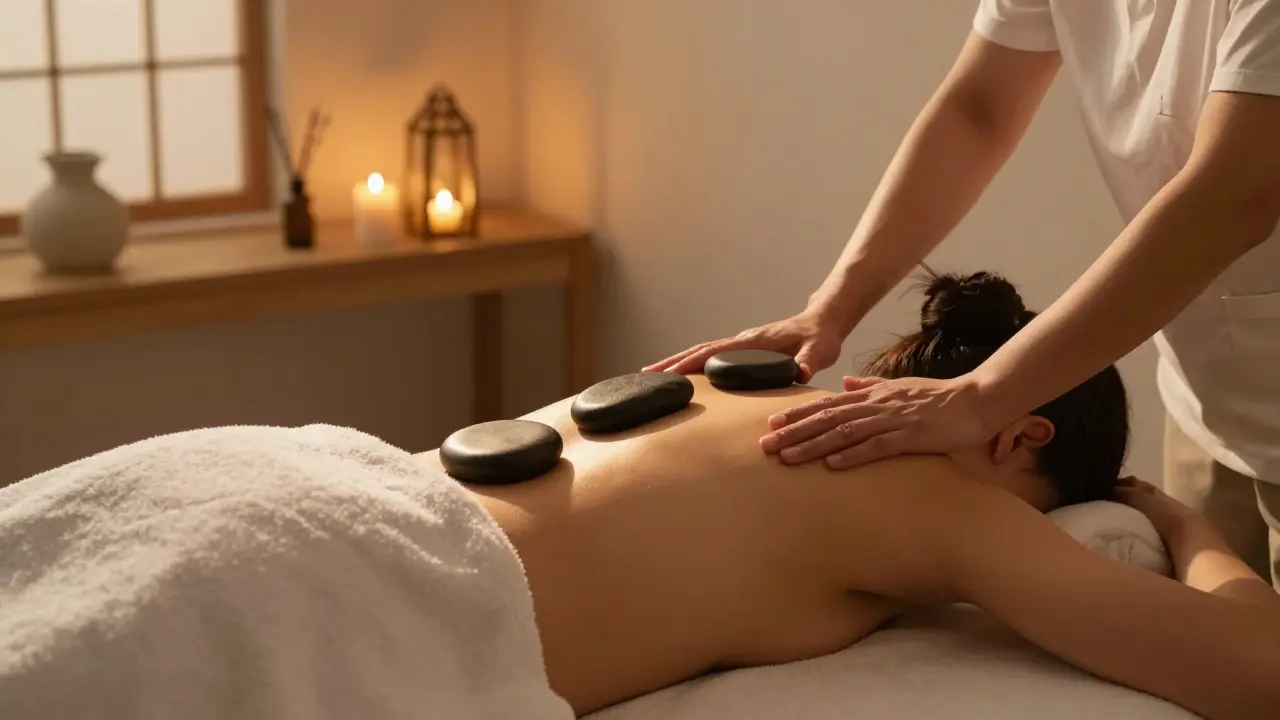
- Hot Stone Massage: Smooth, heated stones placed along your spine and muscles. The warmth sinks in deeper than any hand could. Many say it feels like being hugged by a warm blanket.
- Aromatherapy Massage: Essential oils like lavender, chamomile, or eucalyptus are blended into the oil. The scent alone can lower cortisol levels. Ideal if you need mental calm as much as physical relief.
- Thai Massage: A mix of acupressure and assisted yoga stretches. You stay dressed. You leave feeling loose, grounded, and oddly energized.
Most top spas offer a combination of these. Don’t be afraid to ask: “What’s your go-to technique for stress relief?” A good therapist will tailor the session to your needs-not push a pre-set package.
Where to Find the Best Spas in Melbourne
You don’t need to trek to the CBD to find quality. Some of the most peaceful spots are tucked away in quiet suburbs. Here are a few trusted names locals return to:
- Spa Elysium (South Yarra): Known for their 90-minute hot stone + aromatherapy combo. Quiet, dim lighting, and therapists who never rush. Book the “Serenity Escape” package.
- The Relaxation Room (Carlton): Small, intimate, and run by a former physiotherapist. Specializes in chronic tension relief. Their 60-minute deep tissue is a cult favorite.
- Bloom Wellness (St Kilda): Focuses on holistic healing. Their massage therapists are trained in both Western and Eastern techniques. Try their “Ocean Breeze” oil blend-it smells like a coastal breeze.
- Healing Hands Collective (Fitzroy): A co-op of independent therapists. You can choose your provider based on reviews. Great if you want to build a relationship with one therapist over time.
- Spa at The Langham (CBD): For those who want luxury without the tourist trap. Their signature “Melbourne Soothe” includes a foot ritual and herbal tea. Worth it for a special treat.
Pro tip: Search for “AHPRA-registered massage therapist Melbourne.” That means they’re government-certified, insured, and trained in anatomy and pathology. Not all spas advertise this-but it’s the gold standard.
What to Expect During Your First Session
Walking into a spa for the first time can feel awkward. Here’s what actually happens:
- You’ll fill out a short form-ask about injuries, pregnancy, or sensitive areas.
- The therapist will ask you a few questions: “Where do you hold tension?” “Do you prefer light or firm pressure?”
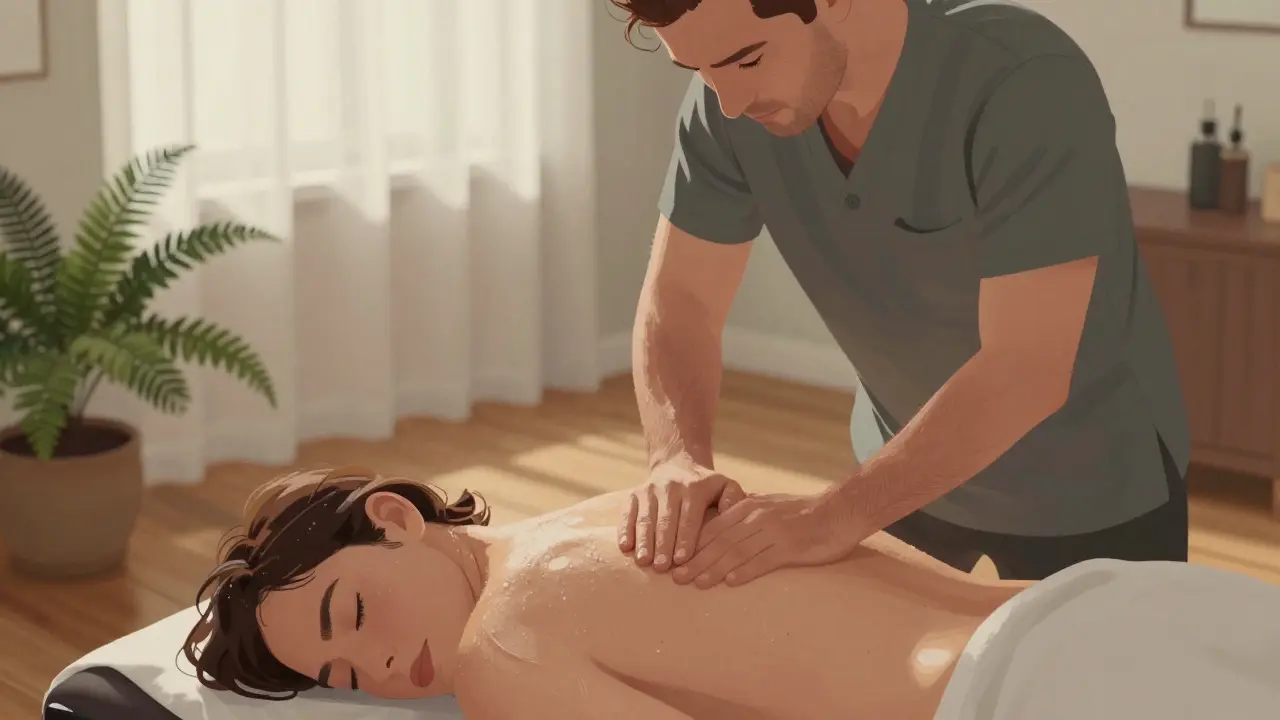
- You’ll be shown to a private room with soft music and dim lighting. You undress to your comfort level. You’re always covered with a towel-only the part being worked on is exposed.
- The massage starts slowly. If something hurts too much, say so. No shame. No judgment.
- Afterward, you’ll have time to rest. Many spas offer herbal tea or infused water. Don’t rush out. Let your body settle.
Most people feel a little lightheaded after their first deep massage. Drink water. Avoid caffeine for the next hour. And if you feel emotionally released-crying, laughing, sighing-that’s normal too. Your body isn’t just relaxing muscles. It’s letting go.
Pricing and How to Book
Here’s what you’ll pay in 2025:
- 60-minute massage: $80-$120
- 90-minute massage: $110-$160
- 120-minute luxury package: $150-$220
Spas in the CBD or luxury hotels charge more. Suburban spots often offer better value. Many places have weekday specials-Tuesday and Wednesday afternoons are usually the quietest and cheapest.
Booking is easy. Most spas accept online bookings via their website. Call if you have special requests: “I need extra focus on my lower back,” or “I’m sensitive to strong scents.” Don’t rely on apps like BookMySpa-they often don’t let you specify details.
Safety Tips for a Great Experience
Massage is safe for most people-but not if you’re not careful:
- Avoid deep tissue if you have osteoporosis, blood clots, or are in early pregnancy.
- Don’t book right after a heavy meal or alcohol.
- Check reviews for cleanliness. The room should smell fresh, not musty.
- Ask about their oil ingredients if you have sensitive skin or allergies.
- If a therapist ignores your feedback or rushes you, leave. Your comfort comes first.
And here’s something most people don’t realize: Massage isn’t a cure-all. It’s a reset. For lasting results, combine it with movement-walk after your session. Stretch in the morning. Breathe deeply. The massage opens the door. You have to walk through it.

Massage vs. Other Relaxation Treatments in Melbourne
| Treatment | Best For | Duration | Average Cost | How Long Effects Last |
|---|---|---|---|---|
| Massage Therapy | Physical tension, chronic pain, stress relief | 60-120 mins | $80-$220 | 3-7 days |
| Float Tank (Sensory Deprivation) | Mental overload, anxiety, meditation | 60-90 mins | $70-$110 | 2-5 days |
| Yoga Class | Flexibility, mindfulness, long-term stress management | 60 mins | $20-$35 | 1-3 days (with regular practice) |
| Spa Facial | Skin health, glow, pampering | 60 mins | $90-$150 | 1-2 days (skin only) |
| Reiki or Energy Healing | Emotional balance, spiritual calm | 60 mins | $70-$120 | Varies-often subtle |
Massage stands out because it works on both body and mind. While a facial leaves your skin glowing, and a float tank quiets your thoughts, only massage melts the knots in your shoulders and slows your racing mind at the same time.
Frequently Asked Questions
Is massage therapy covered by private health insurance in Melbourne?
Yes, if your health fund includes extras cover and the therapist is AHPRA-registered. Most major funds like HCF, Medibank, and Bupa cover massage under their natural therapies package. Check your policy-coverage usually ranges from $50 to $100 per session, with annual limits around $500-$1,000. Always ask the spa for a receipt with the therapist’s registration number.
How often should I get a massage for relaxation?
For general stress relief, once a month is ideal. If you’re dealing with chronic pain, anxiety, or high physical demands (like a demanding job or new parenthood), every 2-3 weeks helps. Think of it like sleep-you don’t wait until you’re exhausted to rest. Regular sessions keep your nervous system balanced.
Can I get a massage if I’m pregnant?
Absolutely-but only with a therapist trained in prenatal massage. Avoid deep pressure on the abdomen and inner thighs. Many spas in Melbourne offer special prenatal packages. Always inform them you’re pregnant when booking. The right session can ease lower back pain, reduce swelling, and even improve sleep.
What should I wear during a massage?
You don’t need to wear anything. Most people undress to their comfort level and are covered with a towel the whole time. If you’re uncomfortable taking off your underwear, you can keep them on. The therapist will work around it. The goal is your comfort, not conformity.
Why do I feel sore after a deep tissue massage?
It’s normal. Deep tissue breaks up adhesions and tight muscle fibers-like stretching a stiff rubber band. You might feel tender for 24-48 hours. Drink water, take a warm bath, and do light stretching. If the soreness lasts longer than 3 days or feels sharp, contact your therapist. It shouldn’t hurt to move.
Ready to Unwind?
You don’t need to wait for a vacation to feel calm. The best massage isn’t the most expensive one-it’s the one you actually show up for. Book a session this week. Pick a quiet afternoon. Turn off your phone. Let someone else take care of you for an hour. Your body won’t just thank you-it’ll start to remember what peace feels like.



Frances Chen
December 8, 2025 AT 06:56Brian Opitz
December 8, 2025 AT 10:56Steve Trojan
December 10, 2025 AT 09:08Bianca Santos Giacomini
December 11, 2025 AT 22:25Chris Hill
December 13, 2025 AT 14:33Daniel Seurer
December 14, 2025 AT 05:52Ashley Bonbrake
December 14, 2025 AT 22:14Shane Wilson
December 16, 2025 AT 21:32