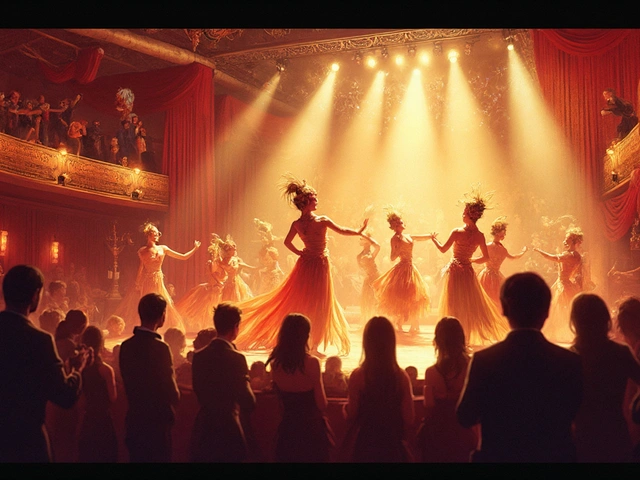
You’ve seen the front-row photos: supermodels in avant-garde gowns, designers bowing under blinding flashes, celebrities sipping champagne like it’s water. But what happens after the lights go down and the last model exits the runway? If you’re part of the inner circle, you don’t head home. You head to one of the secret clubs where Fashion Week Paris really lives.
Key Takeaways
- Fashion Week Paris isn’t just about the shows-it’s about the after-parties that make or break reputations.
- Only a handful of clubs open their doors to the elite, and access is tighter than a runway hemline.
- Invitations aren’t bought; they’re earned through connections, influence, or being the next big thing.
- These clubs don’t advertise. You don’t find them on Google Maps-you find them through whispers.
- Dress code? Non-negotiable. One wrong accessory, and you’re turned away at the velvet rope.
What Happens After the Runway?
Most people think Fashion Week Paris ends when the final look walks out. But the real action? That’s when the city’s most exclusive clubs unlock their doors. Think of it like this: the shows are the trailer. The clubs are the movie.
Designers don’t just want to show clothes-they want to live them. Models don’t just walk-they want to dance in the same fabrics they wore hours earlier. And the buyers? They’re not just placing orders. They’re scouting talent, making deals, and sealing alliances over smoky cocktails in dimly lit rooms.
There’s no official list. No website. No press release. If you’re not already in the loop, you won’t know where to go. And if you show up without an invite, you’ll be greeted by a bouncer who’s seen every fake ID in Europe.
The Clubs That Rule Fashion Week
Only five venues hold real power during Paris Fashion Week. They’re not the biggest. They’re not the loudest. But they’re the only ones that matter.
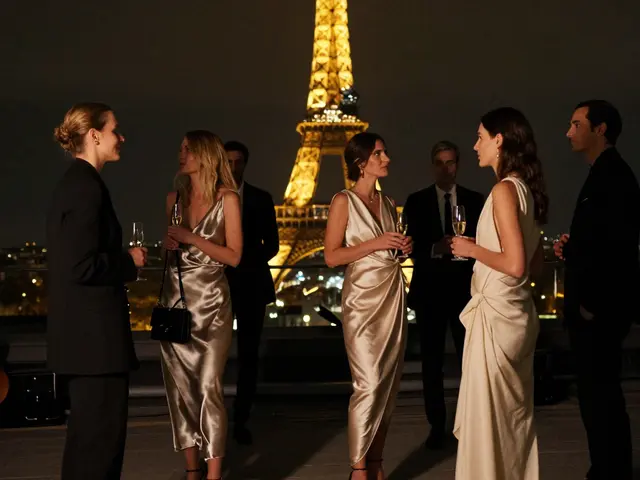
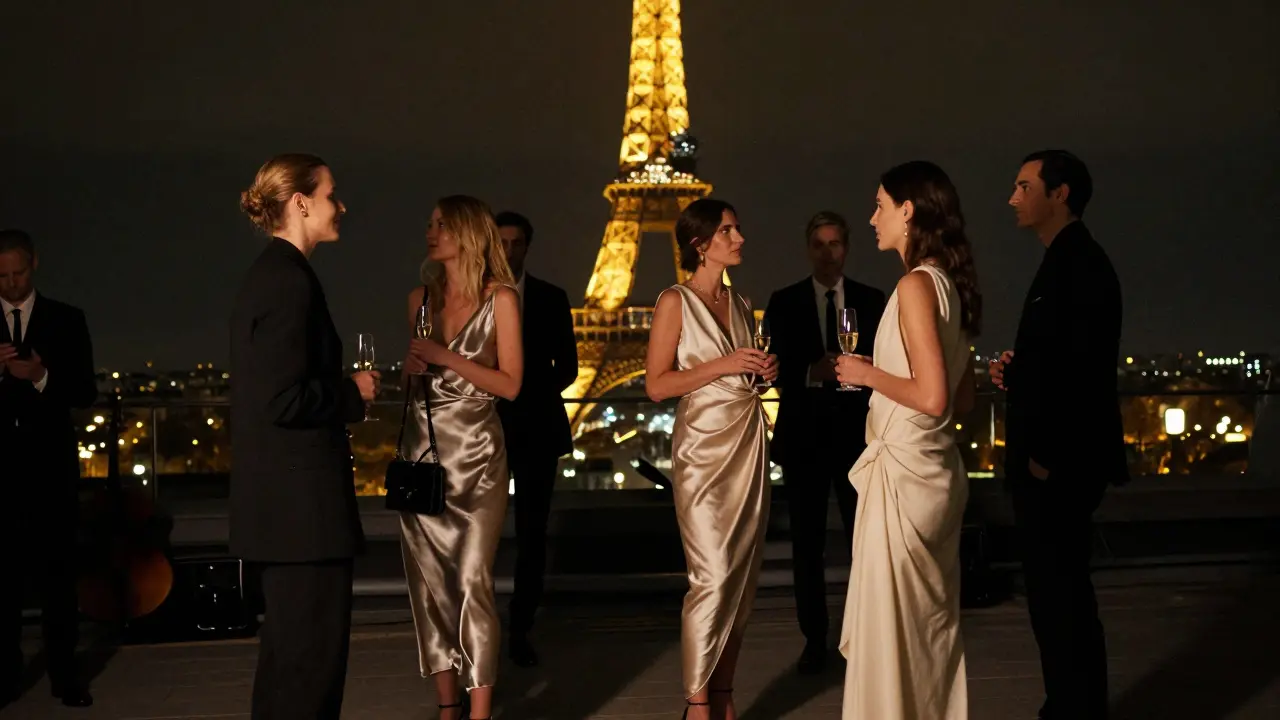
- Le Perchoir - Perched on a rooftop in the 11th arrondissement, this place has a view of the Eiffel Tower and a guest list curated by stylists from Elle a French fashion magazine that has been shaping global trends since 1945. No photos allowed. No phones out. Just silk dresses, jazz, and whispered conversations about next season’s breakout label.
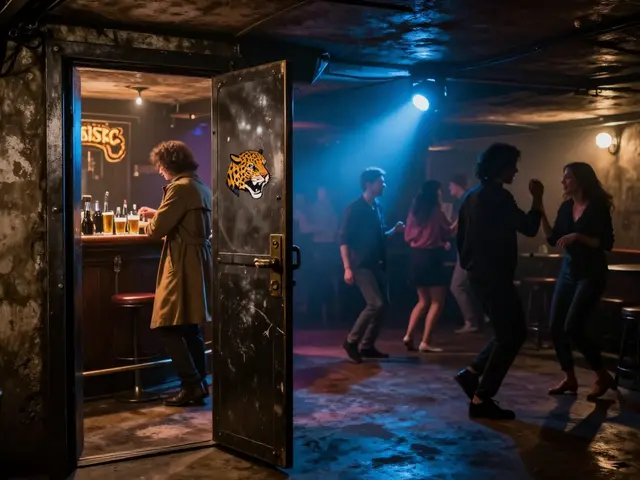
- Le Baron - A Paris institution since 2001. It’s not fancy. It’s not even clean. But it’s where Chanel a luxury fashion house founded in 1910, known for its timeless tweed suits and little black dresses designers throw private after-parties. The music? Experimental electronic. The crowd? Models, art directors, and the occasional billionaire who still dresses like they’re in their 20s.
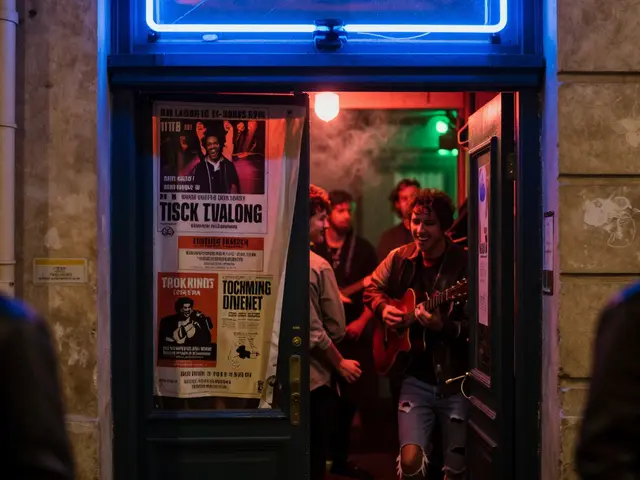
- La Cantine du Terrass - Hidden behind a nondescript door near Place de la République. This one’s for the underground creatives. No logos. No influencers. Just designers from Y/Project a French avant-garde fashion label known for deconstructed silhouettes and gender-fluid designs and their crew, drinking cheap wine and debating whether fashion is art or commerce.
- Le Pigalle - Once a dive bar, now a velvet-lined sanctuary for the fashion elite. It’s the only club that lets you bring your own bottle. The staff knows your name before you do. They’ve seen you in the front row. They know you’re not just here for the drinks.
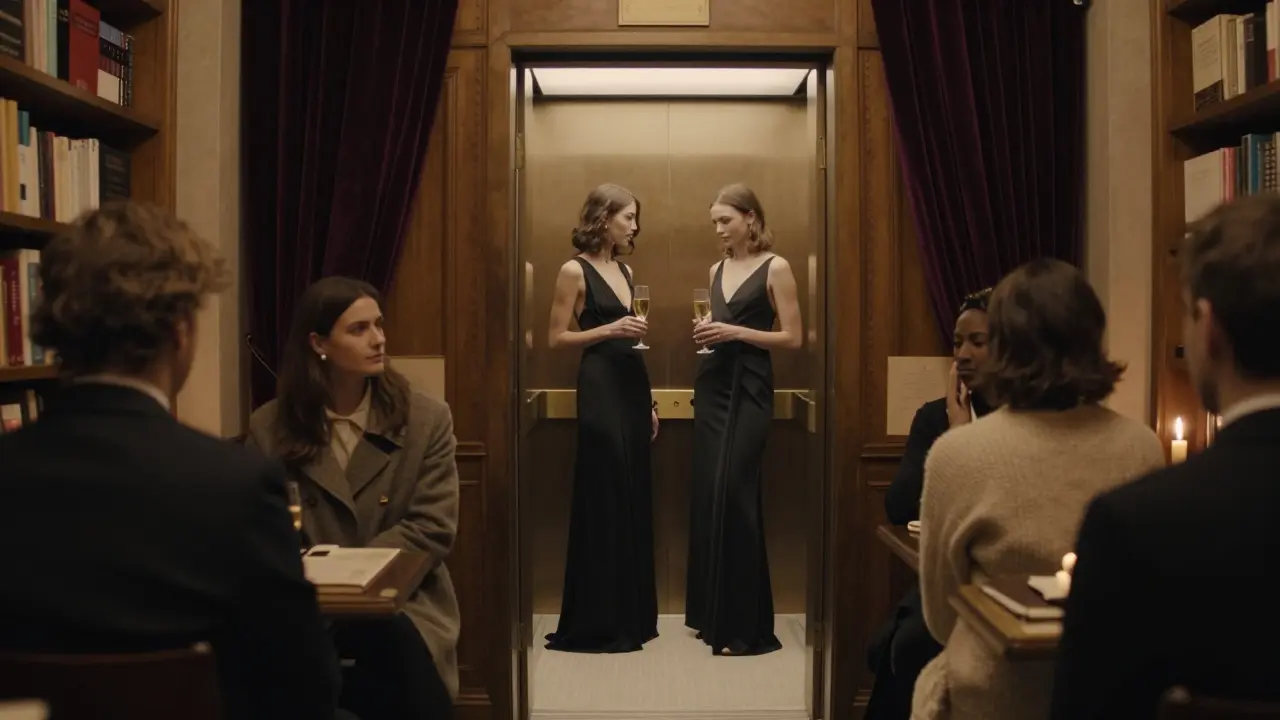
- Le Royal - The only club with a private elevator that opens directly into the party. Located above a 1920s bookstore in Saint-Germain-des-Prés. Access? Only if you’ve shown up to three shows in a row and been spotted by the host. No exceptions.
How Do You Get In?
You don’t book a table. You don’t pay a cover. You don’t DM a PR rep.
You become someone who matters.
Here’s how it works: if you’re a stylist working for Louis Vuitton a French luxury brand founded in 1854, known for its monogrammed luggage and high-end ready-to-wear collections, and you’ve dressed three major celebrities this season, you’ll get a call. If you’re a photographer whose work was featured in Vogue Paris the French edition of the global fashion magazine, known for its editorial influence and exclusive access, you’ll get a text. If you’re a model who walked for Givenchy a French fashion house established in 1952, known for its minimalist elegance and iconic black-and-white aesthetic and your name was mentioned in a backstage interview, you’re on the list.
It’s not about money. It’s about relevance.
One insider told me: “I’ve seen people spend €10,000 on a dress and still get turned away. I’ve seen a 19-year-old intern walk in because she designed the shoes on the runway.”
What You’ll See Inside
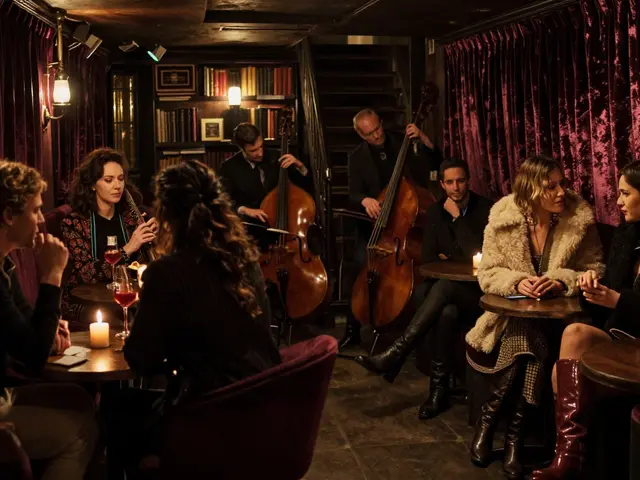
Forget neon lights and DJs spinning house music. These clubs are quiet. Moody. Intimate.
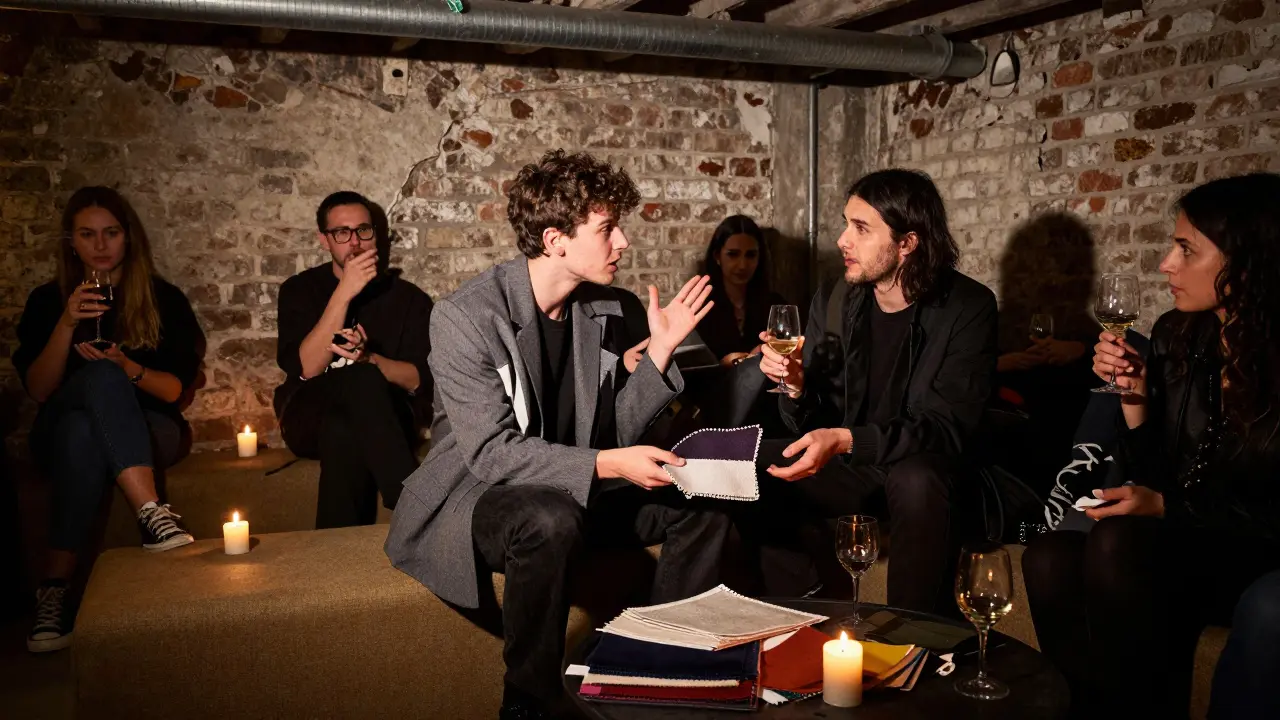
There’s no VIP section. There’s no bottle service. Just low couches, dim lighting, and people talking in hushed tones about fabric sourcing, supply chain delays, or why the next season’s color palette is “too safe.”
You’ll see a Prada an Italian luxury fashion house known for its intellectual design approach and minimalist aesthetic creative director arguing with a Acne Studios a Swedish brand known for its Scandinavian minimalism and cult following among fashion insiders founder over whether sustainability is a trend or a necessity.
You’ll see a model from Simone Rocha an Irish designer known for romantic, gothic-inspired womenswear sipping champagne with a Cartier a French jewelry house founded in 1847, known for its iconic Love bracelet and high-end timepieces designer discussing how jewelry can elevate a collection beyond aesthetics.
You’ll hear snippets of conversations about Bottega Veneta an Italian luxury brand known for its intrecciato weaving technique and quiet confidence’s new leather工艺, or why Loewe a Spanish luxury house under LVMH, known for its artisanal craftsmanship and sculptural silhouettes is quietly becoming the most talked-about brand in Paris.
Dress Code: No Exceptions
You think you’re dressed well? You’re not.
At Le Perchoir, the rule is: no logo. No white. No sneakers. No black leather unless it’s hand-stitched by a Chloé a French fashion house known for its bohemian elegance and feminine silhouettes artisan.
At Le Baron, you’re expected to wear something that looks like it was made in a garage in Berlin. If your outfit costs more than €2,000, you’re doing it wrong.
At Le Royal? You wear what you wore on the runway. No changes. No alterations. No replacements. If you walked in that gown, you stay in it.
One guest was turned away last season because his shoes had a visible brand tag. He didn’t know it was there. The bouncer did.
What’s the Real Value?
These clubs aren’t just places to party. They’re the hidden marketplaces of fashion.
Here’s where deals happen:
- A Dior a French luxury fashion house founded in 1947, known for its New Look silhouette and iconic Bar jacket buyer meets a fabric supplier from Japan and signs a two-year contract over a single glass of sake.
- A young designer from Seoul gets introduced to a Galeries Lafayette a French department store chain that has been a key retail partner for emerging fashion brands since 1893 buyer and lands a pop-up in the heart of Paris.
- A Stella McCartney a British fashion designer known for her commitment to ethical fashion and vegan materials team finds a sustainable dye lab in Lyon after a 2 a.m. conversation with a chemist.
This is where fashion is made-not in boardrooms, not in showrooms. In dim rooms, with wine stains on silk, and silence louder than any music.
How to Even Know Where to Look
If you’re not already in the industry, you won’t get in. But if you’re trying to break in?
- Work at a fashion house-even in admin. Show up early. Stay late.
- Volunteer at a show. You’ll meet stylists, assistants, photographers.
- Follow the right people on Instagram. Not influencers. The ones who tag Paris Fashion Week the biannual event organized by the Fédération de la Haute Couture et de la Mode, held in January and September and post behind-the-scenes shots.
- Don’t ask for an invite. Ask for a coffee. Then a meeting. Then a chance.
One assistant who started as a coffee runner in 2023 is now designing for Issey Miyake a Japanese fashion house known for its innovative fabric technology and pleated designs-all because she showed up to three parties with a notebook, not a phone.
Final Thought
Fashion Week Paris isn’t about the clothes you wear. It’s about the people you sit with after.
The clubs don’t care how much you spent. They care who you know. Who you’ve helped. Who you’ll bring next season.
If you’re lucky enough to get in? Don’t take a photo. Don’t post about it. Don’t name-drop.
Just listen.
Because the next big thing? It’s already being whispered in the back corner.
Can you buy your way into Fashion Week Paris clubs?
No. You can’t pay for entry. These clubs don’t have cover charges or bottle service lists. Access is based on influence, credibility, and connections-not money. Even if you offered €50,000, you’d be turned away if you weren’t already part of the inner circle. The only way in is through being relevant to the industry.
Are these clubs open all year or just during Fashion Week?
They’re open year-round, but they only become exclusive during Fashion Week. Outside of the event, they operate as regular nightlife spots. But during Paris Fashion Week, they shift into a different mode: no public listings, no social media posts, no advertising. The doors open only to those who’ve earned their way in.
Do celebrities always show up?
Not always. Some celebrities avoid these clubs entirely-they’re too crowded with industry insiders. Others come in disguise. The real power players? They’re the ones no one recognizes. The stylists, the buyers, the editors. They’re the ones making decisions, not the ones on billboards.
Is there a dress code for men?
Yes-and it’s stricter than for women. Men can’t wear branded sneakers, suits with visible logos, or anything that looks “costume-y.” Think tailored wool, unstructured jackets, and shoes that look worn in, not new. Many wear pieces from Acne Studios a Swedish brand known for its Scandinavian minimalism and cult following among fashion insiders or Lemaire a French fashion house known for its understated elegance and gender-neutral silhouettes. No watches with brand names visible. No bracelets with logos.
Can you get into these clubs if you’re not in fashion?
Only if you’re connected. A gallery owner, a film director, or a tech founder who’s invested in fashion tech might get in. But if you’re just a tourist or a fan? No. These aren’t tourist spots. They’re professional spaces. If you’re not contributing to the conversation, you’re not welcome.
Want to understand what really moves fashion? Stop watching the shows. Start listening to the whispers.