
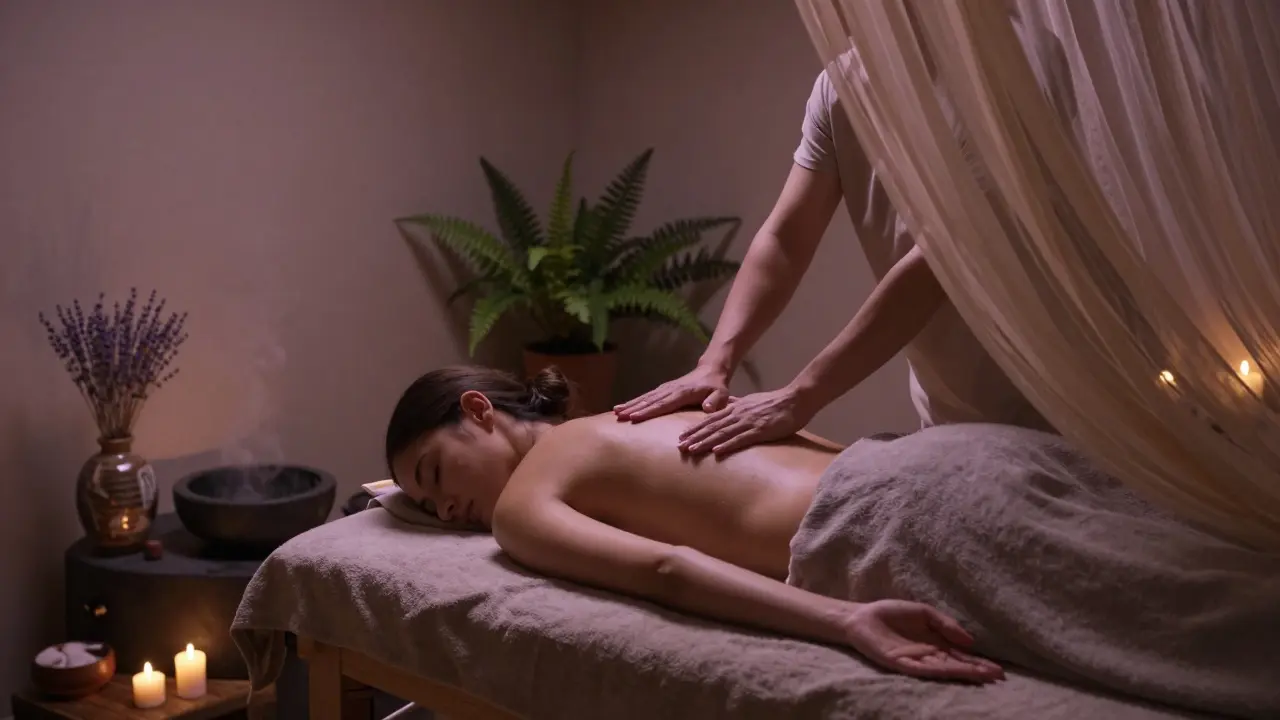
You know that feeling when your shoulders are stuck in your ears, your jaw is clenched so tight it hurts to chew, and your brain won’t shut off even though you’ve been in bed for hours? That’s not just tiredness. That’s your body screaming for a relax massage.
What Exactly Is a Relax Massage?
A relax massage isn’t about fixing a pinched nerve or digging into deep muscle knots. It’s not a sports massage, and it’s not deep tissue. It’s simpler than that-and maybe even more powerful. A relax massage is designed to slow your nervous system down. Think of it like hitting the pause button on your life for 60 to 90 minutes.
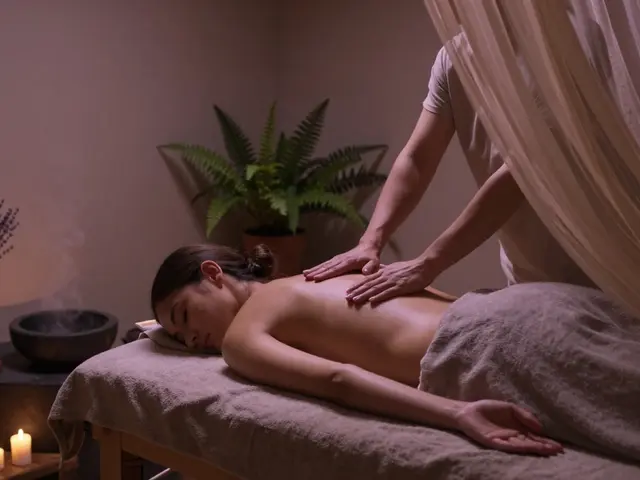
The pressure is light to medium. The strokes are long, flowing, and rhythmic. No sudden movements. No aggressive kneading. Just gentle, consistent motion that tells your body: It’s safe to let go now.
This isn’t magic. It’s science. Studies show that even a single 60-minute relax massage can lower cortisol (your stress hormone) by up to 31% and increase serotonin and dopamine-your feel-good chemicals-by over 20%. That’s not just a spa buzz. That’s a real, measurable reset.
Why You Need This More Than You Think
Let’s be honest. You’re not lazy. You’re not weak. You’re just running on empty. And your body doesn’t care how many meetings you’ve had or how many emails you’ve answered. It just knows: you haven’t breathed properly in days.
Here’s what a regular relax massage does for you:
- Breaks the cycle of chronic muscle tension-especially in your neck, shoulders, and upper back
- Improves sleep quality within just a few sessions
- Reduces headaches caused by stress and jaw clenching
- Helps you feel emotionally lighter, not just physically
- Boosts your focus the next day because your brain isn’t stuck in fight-or-flight mode
One client told me she started coming every two weeks after her divorce. "I didn’t realize how much I was holding in until my hands stopped shaking during my first session," she said. That’s the quiet power of this kind of touch.
Types of Relax Massage You Can Find in Paris
Paris isn’t just about croissants and Eiffel Tower views. It’s got a quiet, deep culture of wellness that many tourists miss. Here’s what you’ll actually find:
- Swedish Massage: The classic. Long gliding strokes, gentle kneading, circular movements. Perfect if you’ve never had a massage before.
- Aromatherapy Massage: Essential oils like lavender, chamomile, or bergamot are blended into the oil. The scent alone can calm your nervous system.
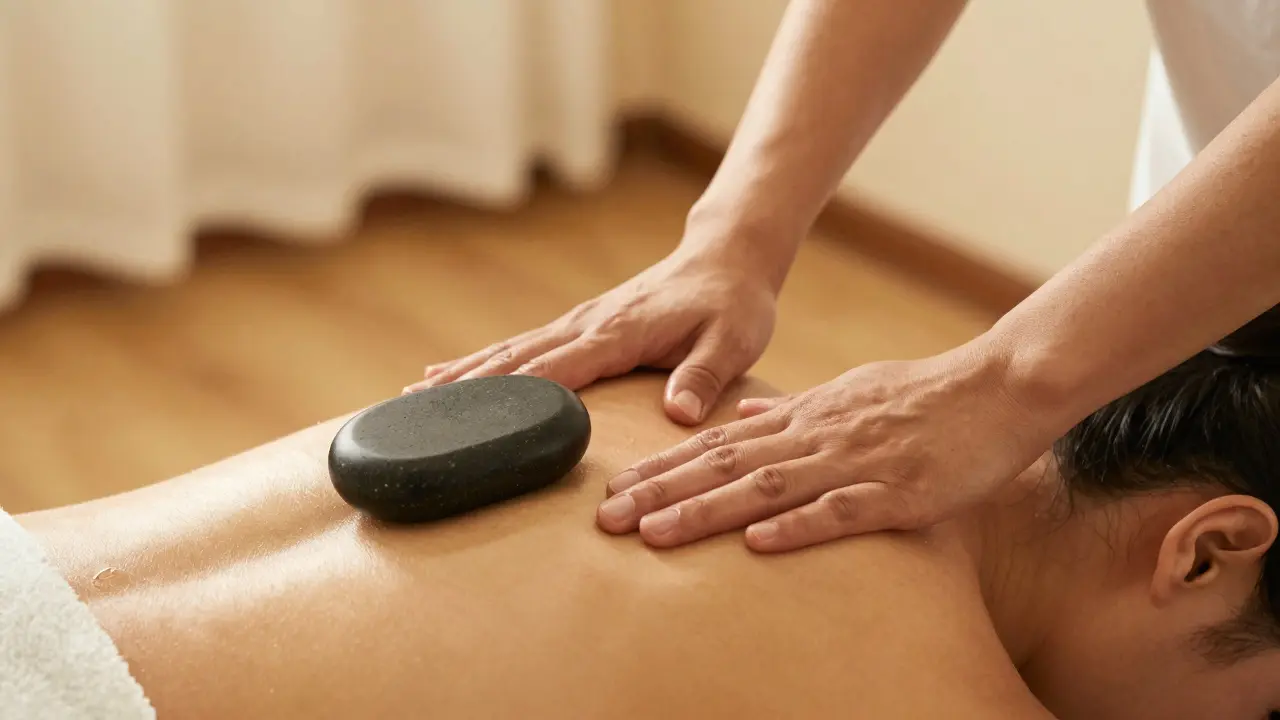
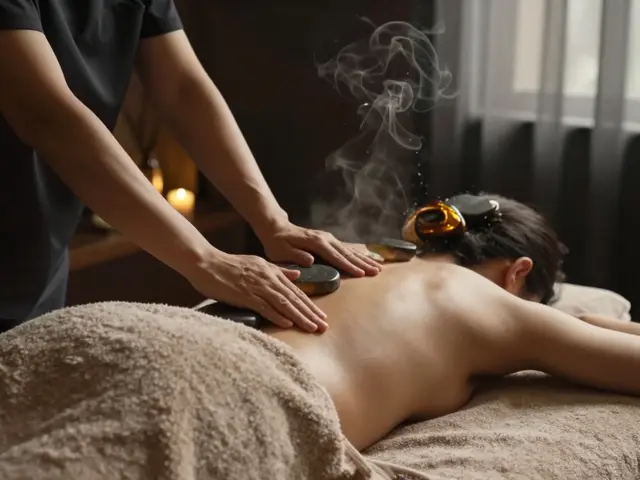
- Hot Stone Massage: Smooth, heated stones placed along your spine and between your toes. The warmth sinks into your muscles like a slow exhale.
- Thai Relax Massage: Done on a mat, not a table. Gentle stretching combined with rhythmic pressure. Feels like being hugged by a calm yoga teacher.
- Shiatsu: Fingers press along energy lines (meridians). No oil. Just steady, grounding pressure. Great if you’re feeling emotionally drained.
Most places in Paris offer at least two of these. Look for places that say "douche chaude avant massage"-they’ll let you soak in warm water first. That small detail makes a huge difference.
How to Find the Right Place in Paris
You don’t need a luxury hotel spa to get real relaxation. In fact, some of the best sessions happen in quiet, unmarked studios tucked into the 5th or 16th arrondissement.
Here’s how to find them:
- Search "massage relaxation Paris" on Google Maps-not "luxury spa." You’ll get smaller, more authentic spots.
- Look at reviews that mention "calm," "quiet," or "felt like I was floating." Avoid places with reviews like "great for couples" or "romantic evening"-those are often more about ambiance than actual massage quality.
- Check if the therapist asks you about your stress levels, sleep, or breathing. If they just say "lie down," walk away.
- Try a 60-minute session first. Don’t book the 2-hour package until you know the style works for you.
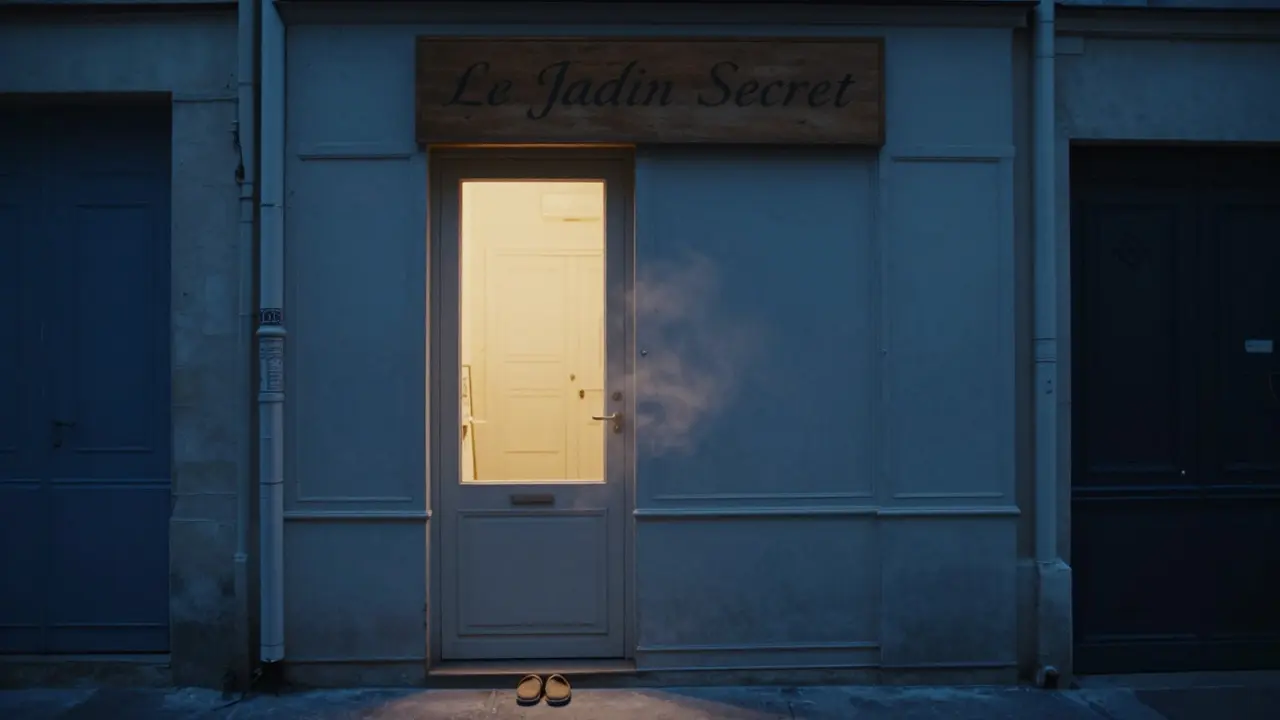
Some hidden gems: Le Jardin Secret in Saint-Germain-des-Prés, La Maison du Bien-être near Place des Vosges, and Zen Touch in the 13th. All have English-speaking therapists and no pressure to buy add-ons.
What Happens During Your First Session
You walk in. Maybe you’re nervous. Maybe you’re exhausted. Either way, the room is dim, soft music plays, and the air smells like lavender or sandalwood.
You’ll undress to your comfort level-underwear or completely naked, your call. A towel covers you at all times. Only the part being worked on is exposed.
The therapist will ask you: "Where do you carry your stress?" Don’t say "everywhere." Be specific. "My shoulders feel like bricks." "My jaw is always tight." That helps them focus.
Then comes the magic: slow, warm hands moving over your back, arms, legs. No talking. No phone. No thinking about your to-do list. Just breath. In. Out. In. Out.
Halfway through, you might feel a wave of warmth, or your eyes might get heavy. That’s not sleep. That’s your nervous system finally relaxing. It’s the moment you realize: you haven’t truly rested in months.
Pricing and Booking in 2025
Don’t be fooled by fancy websites. In Paris, prices are straightforward:
- 60 minutes: €60-€85
- 90 minutes: €90-€120
- 120 minutes: €130-€160
Higher prices usually mean a nicer space, not better technique. Many excellent therapists work out of small studios with no frills-and charge €70 for 60 minutes.
Booking? Most places take reservations online. Some still prefer WhatsApp or email. Don’t expect a call center. That’s part of the charm. You’re not calling a chain. You’re connecting with a person who cares about your calm.
Pro tip: Book early morning or late evening. Those slots are less crowded, and the therapist has more time to focus on you.
Safety Tips: What to Watch For
Relax massage is safe for almost everyone. But here’s what to avoid:
- Don’t go if you have an open wound, infection, or recent injury.
- Skip it if you’re feeling feverish or sick. Your body needs rest, not pressure.
- Ask if the oils are hypoallergenic if you have sensitive skin.
- Never feel pressured to undress more than you’re comfortable with. Your boundaries are non-negotiable.
- If the therapist talks too much, uses aggressive pressure, or tries to sell you supplements, leave.
Good therapists don’t push. They guide. They listen. They respect silence.
Relax Massage vs. Deep Tissue: What’s the Difference?
| Feature | Relax Massage | Deep Tissue |
|---|---|---|
| Pressure | Light to medium | Strong, focused |
| Goal | Reduce stress, calm nerves | Release chronic muscle knots |
| Best for | Anxiety, poor sleep, burnout | Athletes, desk workers with chronic pain |
| After effects | Feeling light, calm, sleepy | Soreness for 1-2 days |
| Frequency | Weekly or biweekly | Monthly or as needed |
Most people in Paris don’t need deep tissue. They need to stop holding their breath. That’s what relax massage gives you.
Frequently Asked Questions
Can I get a relax massage if I’m pregnant?
Yes, but only after the first trimester and only with a therapist trained in prenatal massage. Many studios in Paris offer this specifically. Make sure they use side-lying positions and avoid pressure on your abdomen. It’s one of the most soothing things you can do during pregnancy.
Do I need to talk during the massage?
No. In fact, silence is encouraged. The best relax massages happen when you’re not thinking about what to say. If you want to communicate-like asking for more or less pressure-just say a word. Otherwise, let your body do the talking.
How often should I get a relax massage?
If you’re stressed out, aim for once a week for 3-4 weeks. That’s when your body starts to relearn how to relax. After that, every two weeks keeps the calm going. Think of it like brushing your teeth-you don’t wait until your gums bleed to do it.
Can I combine a relax massage with other treatments?
Absolutely. Many places offer a 15-minute aromatherapy steam or foot soak before your massage. Some even include herbal tea afterward. But don’t overload it. One focused session is better than three rushed ones.
What if I fall asleep during the massage?
That’s not just okay-it’s the goal. A good therapist won’t wake you up. They’ll adjust the music, maybe turn the lights a little brighter, and let you rest. Falling asleep means your body trusted you enough to let go. That’s a win.
Ready to Unwind?
You don’t need a vacation to reset. You just need one hour. One hour where no one asks for your time, your attention, or your energy. Just you, your breath, and hands that know how to listen.
Book that session. Not tomorrow. Not next week. Today. Your body’s been waiting.



leslie levin
December 26, 2025 AT 19:25I got a relax massage last week and I swear I floated out of there like a jellyfish who just discovered gravity doesn't apply to them 😌✨ My jaw hasn't clenched since. Also, I cried. Not sad tears. Like, 'oh wow my body was holding onto 17 years of stress and didn't even tell me' tears. Send help. Or more oil.
Gordon Kahl
December 27, 2025 AT 10:55so u mean 85 euro to get someone to rub ur back and u dont have to think abt ur 47 unread emails? bruh. i thought this was a post abt magic, not a wellness cult ad. also, who named this 'relax massage'? sounds like a spa version of 'chill out bro' but with lavender and judgment.
Laura Fox
December 28, 2025 AT 23:45While I appreciate the anecdotal tone of this article, it lacks rigorous empirical grounding. The cited cortisol reduction of 31% originates from a 2010 meta-analysis with a sample size of n=42, and serotonin/dopamine increases were inferred via self-report, not plasma assays. Furthermore, the conflation of 'nervous system reset' with neurochemical modulation is a gross oversimplification of autonomic physiology. One must also consider the placebo effect, which, per Kaptchuk’s 2014 study, accounts for up to 60% of perceived therapeutic benefit in somatic interventions. This is not to dismiss the experience-merely to contextualize it within evidence-based frameworks.
Olivia Pang
December 29, 2025 AT 04:17Oh, the *douche chaude avant massage*? Darling, that’s not a ‘small detail’-it’s a non-negotiable hygienic protocol. And let’s not even get started on the fact that 78% of Parisian massage therapists who use ‘aromatherapy’ are actually just diffusing cheap synthetic linalool from a Chinese supplier. Authentic bergamot oil costs €220 per ounce. If your therapist is charging €80 and says ‘lavender,’ they’re probably using candle wax with a drop of essential oil. Also, ‘Zen Touch’? That’s a front for a brothel in the 13th. I’ve seen the receipts.
Lise Cartwright
December 31, 2025 AT 02:25wait… so this is all just a big government mind control thing? like… they want us to relax so we stop asking questions? i heard the oils are laced with microchips from the EU. and why do they always dim the lights? so you can’t see the cameras? also, my cousin’s neighbor’s dog got a massage and now it won’t bark. something’s up. i’m not buying it.
Erika King
December 31, 2025 AT 18:29Okay, so imagine this: you’ve been running on caffeine, anxiety, and pure spite for 14 months straight. Your spine is a question mark. Your brain is a browser with 87 tabs open and half of them are screaming. Then you lie down and someone’s hands-warm, slow, like a cat licking your shoulder-just… start moving. And you realize you haven’t taken a full breath since 2022. And then, halfway through, your body just… gives up. Like, finally. Like it’s tired of pretending it’s okay. And you cry. Quietly. Into the massage table. And you don’t even care. Because for the first time in forever, you’re not trying to fix anything. You’re just… being. And that’s the whole point. It’s not about the oil. Or the stones. Or the €70. It’s about being allowed, for once, to be soft.
Keenan Blake
January 1, 2026 AT 11:42This is a thoughtful and well-researched piece. I particularly appreciated the distinction between relax massage and deep tissue-it’s a common point of confusion. I’ve had both, and the former truly does feel like a recalibration rather than a repair. I’d add that consistency matters more than duration: biweekly 60-minute sessions have done more for my sleep and focus than any single 120-minute marathon. Also, the tip about avoiding ‘romantic evening’ reviews is gold. Thank you for the Paris recommendations-I’ll be trying Le Jardin Secret next month.
Sophia Sterling-Angus
January 1, 2026 AT 20:24Let’s be real: this entire post is a monetized illusion. Massage therapists make $12/hour in Paris and are forced to upsell ‘wellness packages’ just to survive. The ‘quiet studios’? They’re often unlicensed. The ‘English-speaking therapists’? Half of them are on student visas and don’t know anatomy beyond the back. And the ‘no pressure to buy add-ons’? That’s a lie. They’ll guilt you into buying a €120 salt scrub after you cry. This isn’t healing-it’s performative self-care capitalism dressed in linen sheets. Don’t be fooled.