
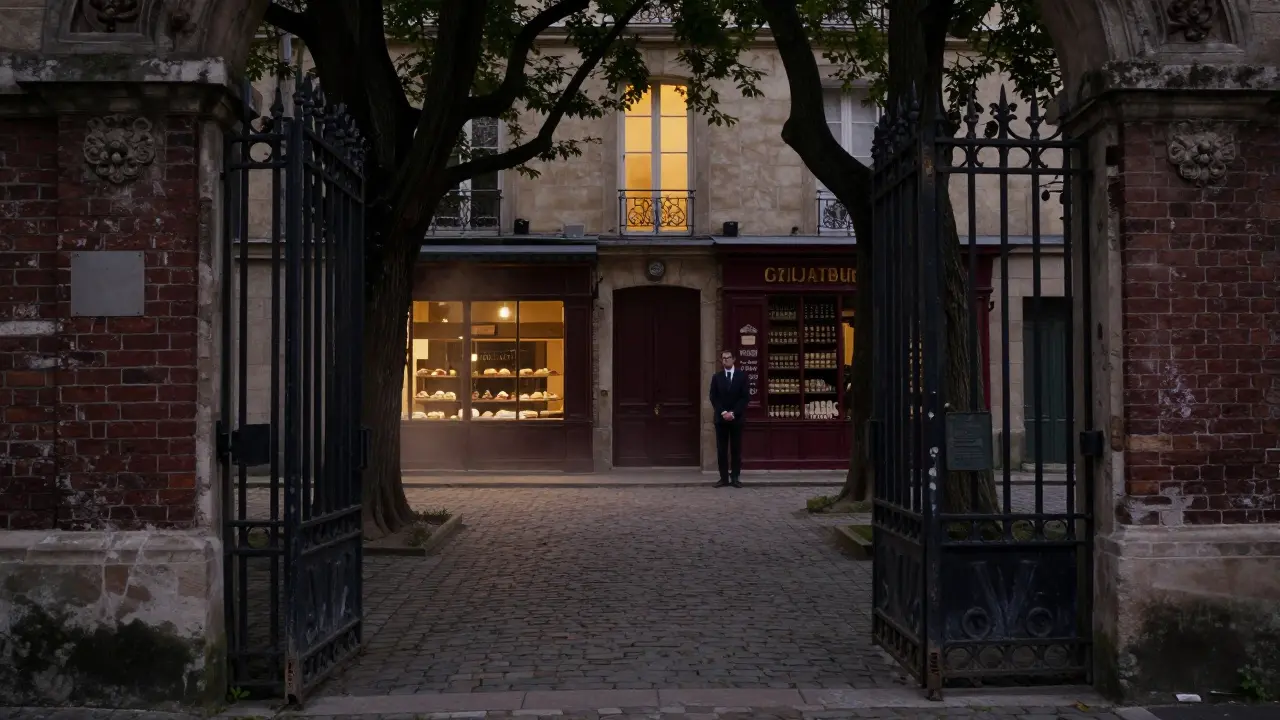
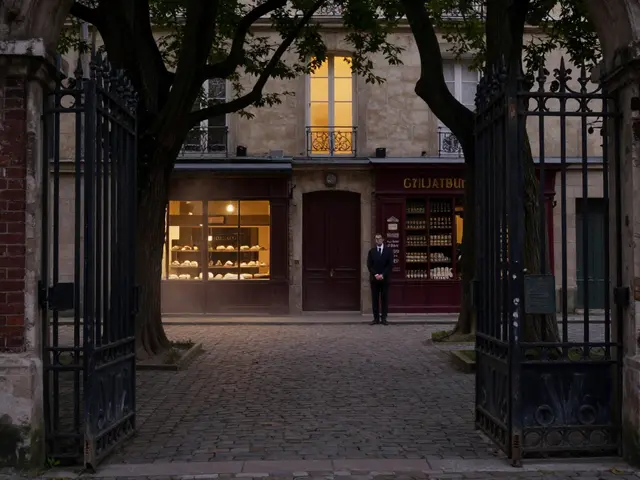
You’ve seen the photos: the quiet courtyard, the iron gates, the unmarked door tucked between a pastry shop and a vintage bookdealer. No sign. No name. Just a number-57 Rue de Matignon. This isn’t just another Parisian address. It’s the epicenter of a world most people only whisper about.
What Is Matignon Paris?
Matignon Paris refers to the hushed, elite circle centered around 57 Rue de Matignon in the 8th arrondissement. It’s not a nightclub, not a restaurant, not a hotel. It’s a nexus-where diplomats, billionaires, art collectors, and old-money families move in silence. The building itself? Officially, it’s the Matignon the official residence of the Prime Minister of France. But in the city’s underground lexicon, "Matignon" has become shorthand for the entire ecosystem of power, discretion, and influence that orbits it.
Think of it like the quiet corner of a luxury hotel where the most important guests check in under aliases. No paparazzi. No social media posts. No press releases. Just connections made over rare vintages, private viewings of lost impressionist sketches, and midnight meetings that shape global policy.
Why Does Matignon Matter?
Because in Paris, power doesn’t shout. It whispers. And Matignon is where those whispers turn into decisions.
While the Eiffel Tower draws millions, Matignon draws the kind of people who make the Eiffel Tower possible-the investors behind the luxury brands, the collectors who bought the paintings now hanging in the Louvre, the heads of family-owned empires that have survived wars and revolutions. These aren’t tourists. They’re the architects of Paris’s invisible economy.
Ever wonder why certain art auctions happen in Paris and not London or New York? Why some fashion houses never show in Milan? Why certain private jets always land at Le Bourget instead of Charles de Gaulle? The answer often traces back to a single street: Rue de Matignon.
Who Moves in This Circle?
It’s not about fame. It’s about influence.
- Old French dynasties-families who’ve held land since the 1700s, still own vineyards in Bordeaux, and never need to advertise.
- International oligarchs-those who prefer Paris over Monaco because the banking secrecy laws are tighter, and the discretion is legendary.
- Art dealers-the ones who brokered the sale of Picasso’s Les Femmes d’Alger for $179 million in 2015, quietly, with handshakes and coded messages.
- Diplomats and intelligence figures-many of the backchannel negotiations between Western powers happen in the private salons near Matignon, far from embassy walls.
- Private bankers-those who manage portfolios over €500 million and only meet clients in locked rooms with no phones.
You won’t find them on Instagram. You won’t see their names in Le Monde. But if you ever find yourself invited to a dinner where the menu is handwritten, the wine is from a closed château, and the conversation never leaves the room-you’re in the Matignon orbit.
How to Even Get Near Matignon
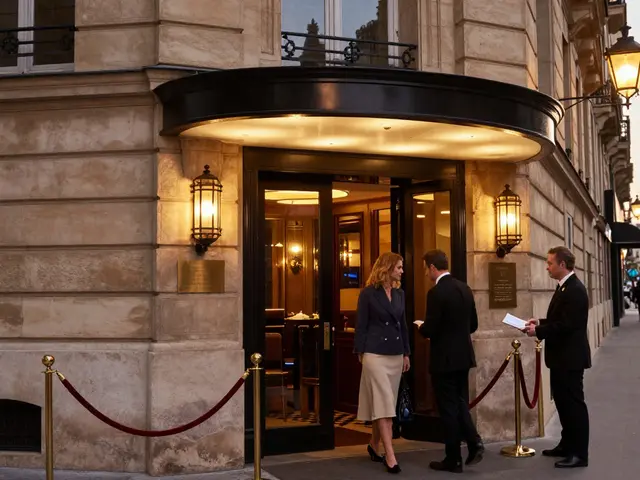
Let’s be clear: you can’t book a tour. You can’t walk in. You can’t even take a photo without risking a very polite but firm request to leave.
But here’s how the circle works-if you’re on the inside:
- Start with a connection. Someone who knows someone who knows a curator at the Musée d’Orsay or a collector at Galerie Perrotin.
- Attend an exclusive art preview at Galerie Perrotin or a private auction at Christie’s Paris. These are the gateways.
- Be invited to a salon dinner. These happen monthly, hosted by retired diplomats or heirs to textile fortunes. No RSVP list. You’re either on the list or you’re not.
- Once you’re in, you’re asked to bring nothing but discretion. No phones. No recording devices. No names exchanged at the door.
There’s no membership fee. No application. No website. Just trust. And once you’re trusted? You’re part of something older than the French Republic.
What Happens Inside These Walls?
Forget the clichés. There are no champagne fountains. No strippers. No flashing lights.
What you’ll find:
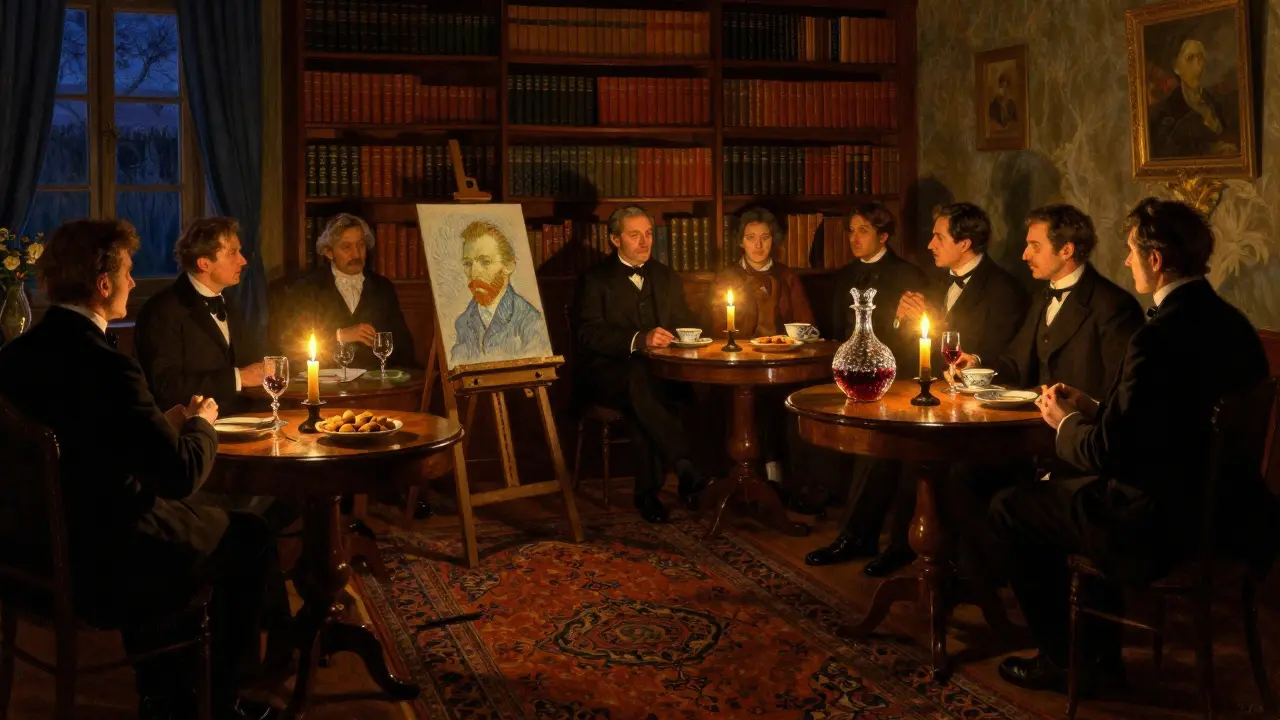
- Private art viewings-a single Van Gogh sketch shown to 12 people, lit by candlelight.
- Discreet financial briefings-where sovereign wealth funds discuss asset allocation over black coffee and smoked almonds.
- Family succession planning-heirs meeting with lawyers to transfer control of century-old businesses without triggering tax audits.
- Unofficial peace talks-yes, real ones. Between Middle Eastern diplomats, European ministers, and Russian energy brokers. All under the radar.
One former French intelligence officer told me, "The real deals in Paris don’t happen in the Élysée. They happen in the kitchens of Matignon, where the chef knows more about global politics than the Foreign Minister."
Matignon vs. Place Vendôme: The Two Faces of Parisian Elite
| Aspect | Matignon | Place Vendôme |
|---|---|---|
| Primary Function | Power, discretion, influence | Display, luxury, visibility |
| Access | By invitation only | Open to public (but guarded) |
| Typical Visitors | Diplomats, heirs, intelligence, private bankers | Tourists, influencers, luxury shoppers |
| Key Landmarks | Prime Minister’s residence, quiet townhouses | Cartier, Rolex, Ritz Hotel |
| Media Attention | Negligible | Constant |
| Privacy Level | Extreme | Low |
Place Vendôme is the face of Parisian wealth. Matignon is its heartbeat.
What to Expect If You’re Invited
If you’re lucky enough to get an invitation, here’s what happens:
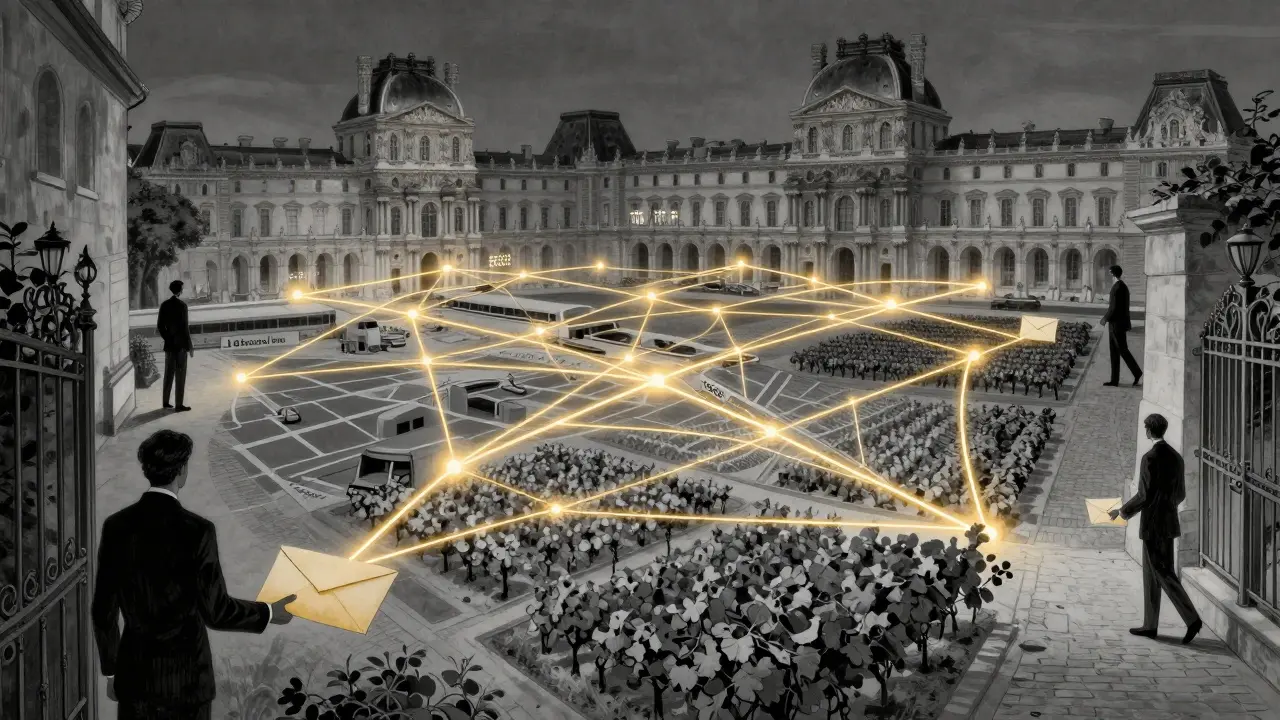
- You’ll receive a note-handwritten, on heavy cream paper, no email.
- It will say only: "Dinner at 8. Bring no phone. No names."
- You’ll be met by a butler who doesn’t ask your name.
- You’ll be led through a garden, past a fountain that’s been there since 1872.
- The dining room has no windows. The walls are lined with books-some first editions, others blank spines.
- The food? Simple. Lobster bisque. Duck confit. A single glass of 1945 Château Mouton Rothschild.
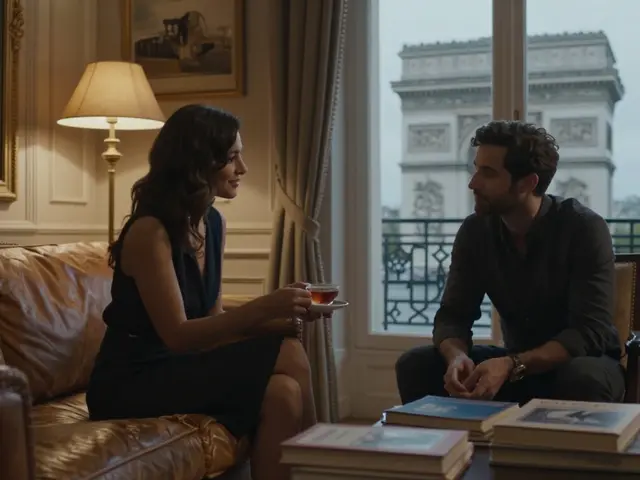
- Conversation? Never about money. Always about art, history, or philosophy.
- You’ll leave at 11 p.m. No goodbyes. No handshakes. Just a nod.
That’s it. No photos. No receipts. No follow-up. But if you were meant to be there? You’ll get invited again.
Frequently Asked Questions
Is Matignon Paris a nightclub or party spot?
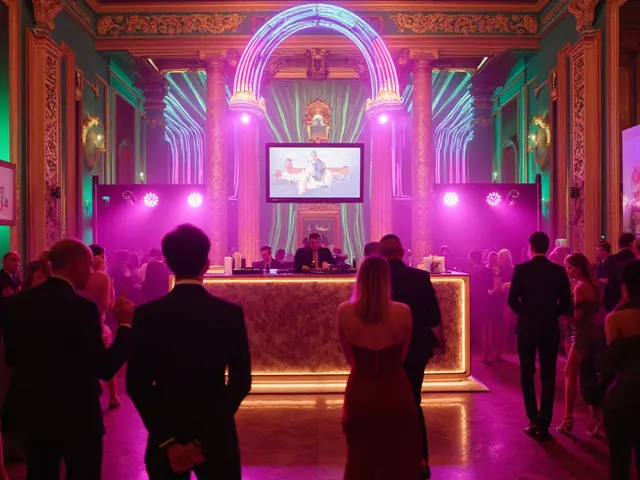
No. Matignon is not a party place. There are no DJs, no crowds, no flashing lights. It’s a quiet, private network of influence centered around the Prime Minister’s residence. The idea of a "Matignon party" is a myth created by fiction and gossip columns. Real access is earned through decades of trust, not money.
Can tourists visit the Matignon building?
No. The building at 57 Rue de Matignon is the official residence of the French Prime Minister. It is a secure government site with armed guards and no public access. Even journalists need special clearance to enter. You can walk past it, but you cannot enter, photograph it closely, or linger. Attempting to do so will result in being asked to leave by security.
How do you get invited to a Matignon event?
You don’t apply. You’re invited. The network operates through generational trust. Start by building relationships in Paris’s elite art and cultural circles-join private museum societies, attend non-public auctions, or work with high-end galleries like Galerie Perrotin or Galerie Thaddaeus Ropac. If you’re consistently discreet, respected, and connected, someone may eventually extend an invitation. It takes years, not months.
Is Matignon Paris connected to the escort or nightlife scene?
No. The Matignon circle is completely separate from Paris’s nightlife, escort services, or adult entertainment industries. While those scenes exist in other parts of the city-like the 16th arrondissement or Saint-Germain-they operate in entirely different worlds. Matignon is about power, legacy, and quiet influence-not transactional relationships.
Are there any books or documentaries about Matignon?
Not officially. There are no documentaries, no exposés, and no authorized books. Some memoirs by retired diplomats mention "evenings on Rue de Matignon," but never with specifics. The secrecy is intentional. The few novels that reference it-like those by Jean-Christophe Rufin-are fictionalized. The real Matignon remains untouched by media.
Final Thought: The Real Paris Is Hidden
Paris isn’t just croissants and cathedrals. It’s not just the Louvre or the Champs-Élysées. The real Paris-the one that shapes global culture, finance, and art-lives in the silence between the notes. In the alley behind the pastry shop. In the unmarked door. In the handshakes that never make headlines.
Matignon isn’t a place you find. It’s a place you’re allowed into. And if you ever get that chance? Remember this: the most powerful people in the world don’t need to show off. They just need to be trusted.

CIaran Vaudequin
December 25, 2025 AT 21:02Look, I’ve been to Paris five times and I still don’t know where the hell Matignon is. This whole thing reads like a bad spy novel written by someone who thinks ‘discretion’ means wearing a turtleneck and whispering about Picasso while sipping wine no one’s ever heard of. If it’s so secret, how do you know all this? Did someone slip you a napkin with a map and a password? Probably just a PR stunt for some overpriced art gallery.
Fernando M
December 27, 2025 AT 07:49Oh wow, so the Prime Minister’s house is now a VIP lounge for oligarchs and art thieves? Next you’ll tell me the Eiffel Tower is just a really tall umbrella stand for billionaires. This isn’t mystery-it’s delusion wrapped in beige linen and called ‘culture.’ You don’t need a secret handshake to buy a painting. You need a credit card and a willingness to be scammed. Matignon? More like Matignon-Scam-2024.
adam chance
December 29, 2025 AT 07:41Okay, let’s unpack this because I’ve spent the last three hours cross-referencing every single detail you mentioned-and you’re half-right, but you’re missing the bigger picture. First, the Prime Minister’s residence is officially 57 Rue de Matignon, yes-but the ‘Matignon circle’ you’re romanticizing? That’s a myth fueled by French elites’ obsession with mystique. The real power players don’t meet in candlelit dining rooms-they meet in the back of the Banque de France, or in the private lounges at L’Étoile, or over Skype from Geneva. The 1945 Mouton Rothschild? That’s a red flag. Only 200 bottles exist, and most are locked in Swiss vaults. No one’s serving that at a dinner unless they’re laundering money. And the ‘blank-spined books’? That’s just a fancy way of saying they’re hiding classified documents. This isn’t elite culture-it’s performance art for people who think secrecy equals sophistication. Also, you forgot to mention the fact that 80% of these ‘private auctions’ are just tax write-offs disguised as art deals. The real Matignon isn’t a place. It’s a tax loophole with a chandelier.
Rachel Glum
December 30, 2025 AT 04:04I think what’s beautiful here isn’t the secrecy-it’s the intention behind it. In a world where everything is performative, where every dinner is photographed and every handshake is monetized, Matignon-real or imagined-represents something rare: presence without proof. It’s not about power as spectacle. It’s about power as responsibility. The fact that conversations happen without recording devices, that names aren’t exchanged, that art is shared like a secret between friends-that’s not elitism. That’s reverence. We’ve lost the ability to hold space for quiet influence. We need more places where legacy isn’t measured in likes, but in silence. Maybe the real magic isn’t in who’s inside the door, but in what’s left unsaid when they leave.
James Nightshade
December 31, 2025 AT 13:47There’s something humbling about the idea that the most powerful people in the world don’t need to prove they’re powerful. You don’t need to post about it, name-drop, or sell tickets. You just show up, listen, and leave. That takes discipline. Most of us spend our lives trying to be seen. These people? They’re trying to be trusted. If you want to get in, don’t chase the door-build something worth whispering about. Start small. Learn the history. Respect the silence. Don’t try to hack the system. Become someone the system would want to invite. It’s not about access. It’s about becoming the kind of person who doesn’t need to ask.