
The Ultimate Guide to Non-Stop Dancing in Paris
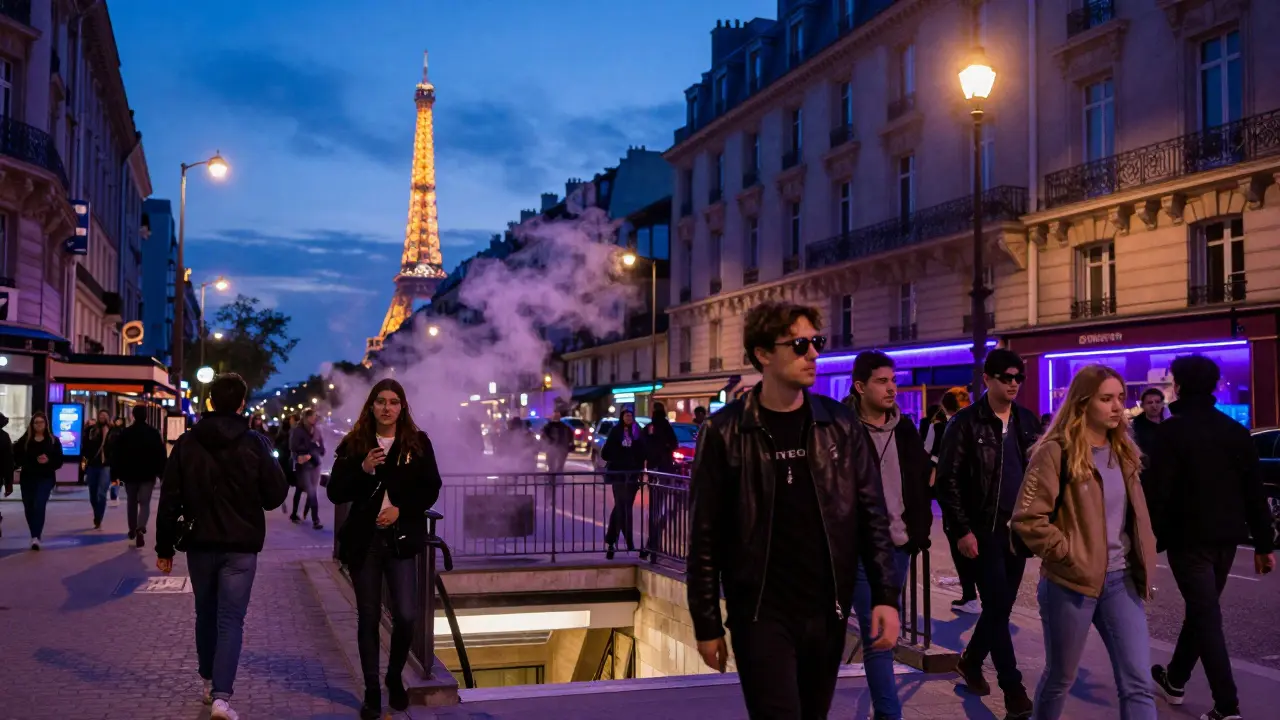
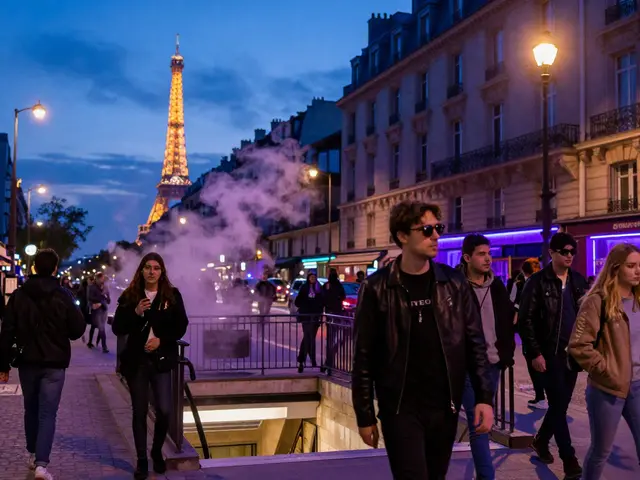
If you think Paris is only about croissants and quiet museums, you're missing half the city. The capital of France transforms completely after midnight, offering some of the most intense dance floors in Europe. You don't need to be a local to find the beat; you just need to know where to go. We've scoured the district scenes to find spots where the music doesn't stop until sunrise.
Understanding the Parisian Dance Floor Landscape
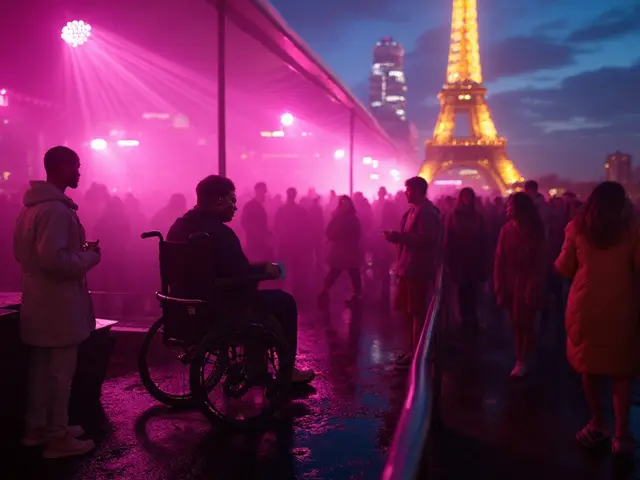
Nightlife here isn't one-size-fits-all. You have your standard cocktail lounges that close at 2 AM, and then you have the heavy hitters-the mega-clubs that keep the lights down and the bass up until dawn. Techno is the dominant sound across the Seine, defining the modern identity of French electronic music culture. While pop hits might play early in the night, serious dancers know that the peak hours, usually between 3 AM and 6 AM, demand pure underground energy.
Differentiating between a "bar" and a "club" is essential for your plans. A bar has stools; a club has a massive sound system and a dedicated security team. In 2026, safety standards in Parisian venues have tightened significantly. Expect rigorous bag checks and metal detectors at major hubs. This isn't just bureaucracy; it ensures that once you get past the door, you can focus entirely on moving to the rhythm without worrying about disturbances.
Top Venues for Relentless Energy
| Club Name | Primary Genre | Vibe | Location | Peak Hours |
|---|---|---|---|---|
| Marquis de Sade | Techno / Industrial | Raw, Dark, Warehouse | 9th Arrondissement | 2 AM - 6 AM |
| Rex Club | Circus Rock / Techno | Educational, Unique | Monsigny Metro | 11 PM - 4 AM |
| Folie Douce | Electro / Hip Hop | Trendy, Large Capacity | Canal Saint-Martin | 10 PM - Late |
| Le Cheval Blanc | Alternative / Indie | Bohemian, Community | Latin Quarter | 10 PM - 3 AM |
| L'Astrakan | Balearic / Nu Disco | Intimate, Vinyl-focused | 7th Arrondissement | 11 PM - Dawn |
Marquis de Sade: The Underground Fortress
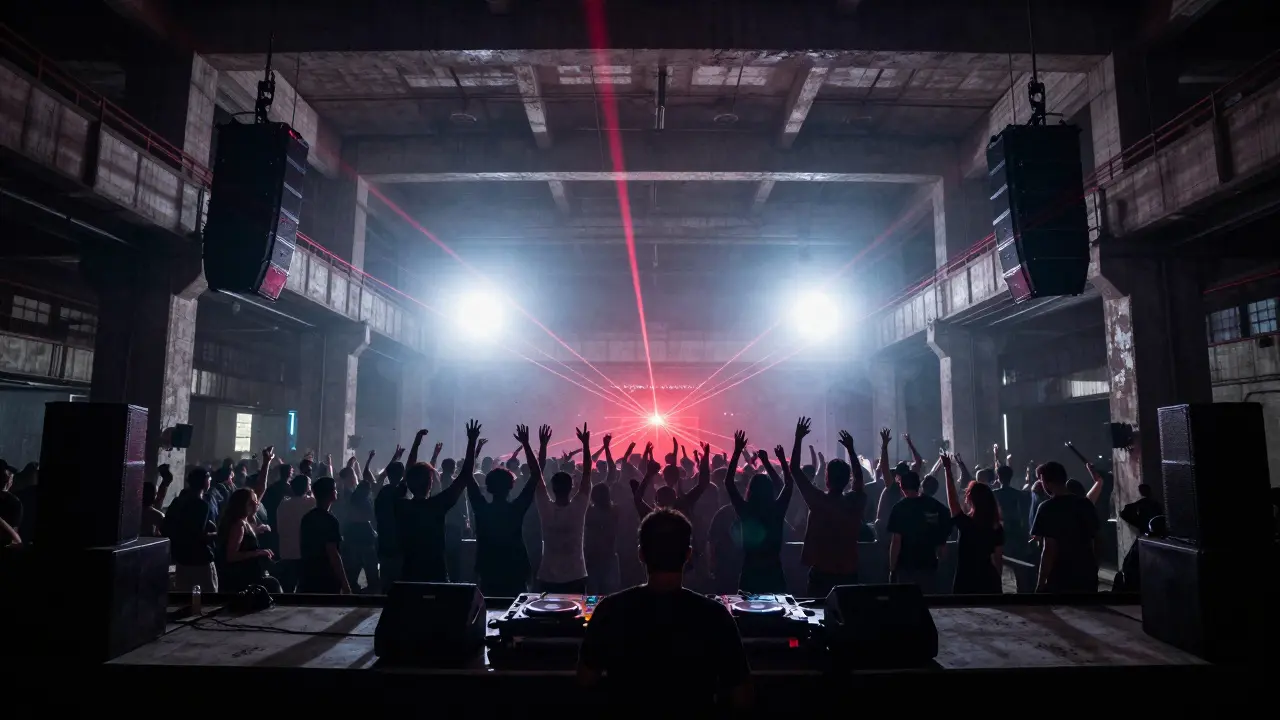
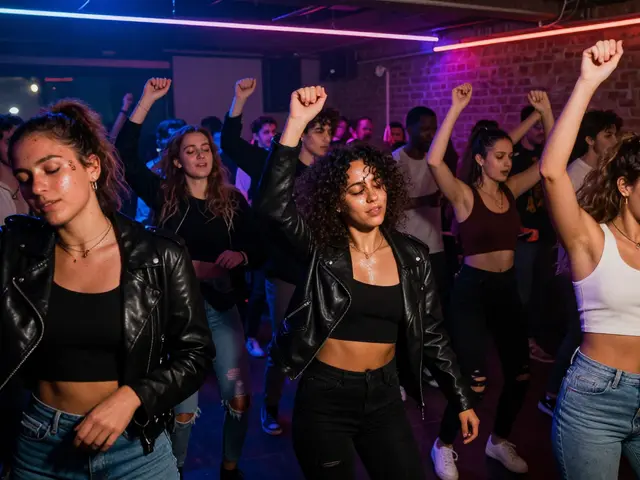
If you want raw power, this is the place. Located near La Villette, the Marquis de Sade feels less like a nightclub and more like an industrial excavation site turned party zone. It caters to a crowd that prefers leather jackets over designer gowns. The sound system here is legendary, often cited by DJs as one of the cleanest setups in Europe for heavy bass frequencies.
The layout is massive, with multiple zones ranging from open dance areas to darker corners for socializing. Because it is huge, the energy levels remain constant even when other smaller venues start thinning out. If you arrive around midnight, expect a warm-up session; the real explosion happens later. Keep in mind that they enforce a strict dress code-often smart casual-but generally lean away from overly flashy attire that screams "tourist."
Rex Club: Where Circus Meets Concrete
Rex Club offers a unique twist on the typical club experience. Housed inside a historic building originally designed for circus performances, the venue retains its original architectural bones while packing a serious audio punch. The circular seating arrangement creates a communal feel you rarely get in box-like warehouses.
They pride themselves on eclectic programming. On weekdays, you might find intimate electronic sets, while weekends bring in international headliners. The atmosphere is educational as well as recreational, often hosting workshops on sound engineering and performance art. It's a great spot if you want to dance but also appreciate the history and mechanics behind the noise. Access is easiest via the Montorgueil metro, though taxis can be tricky during rush hour.
Folie Douce: The Canal Experience
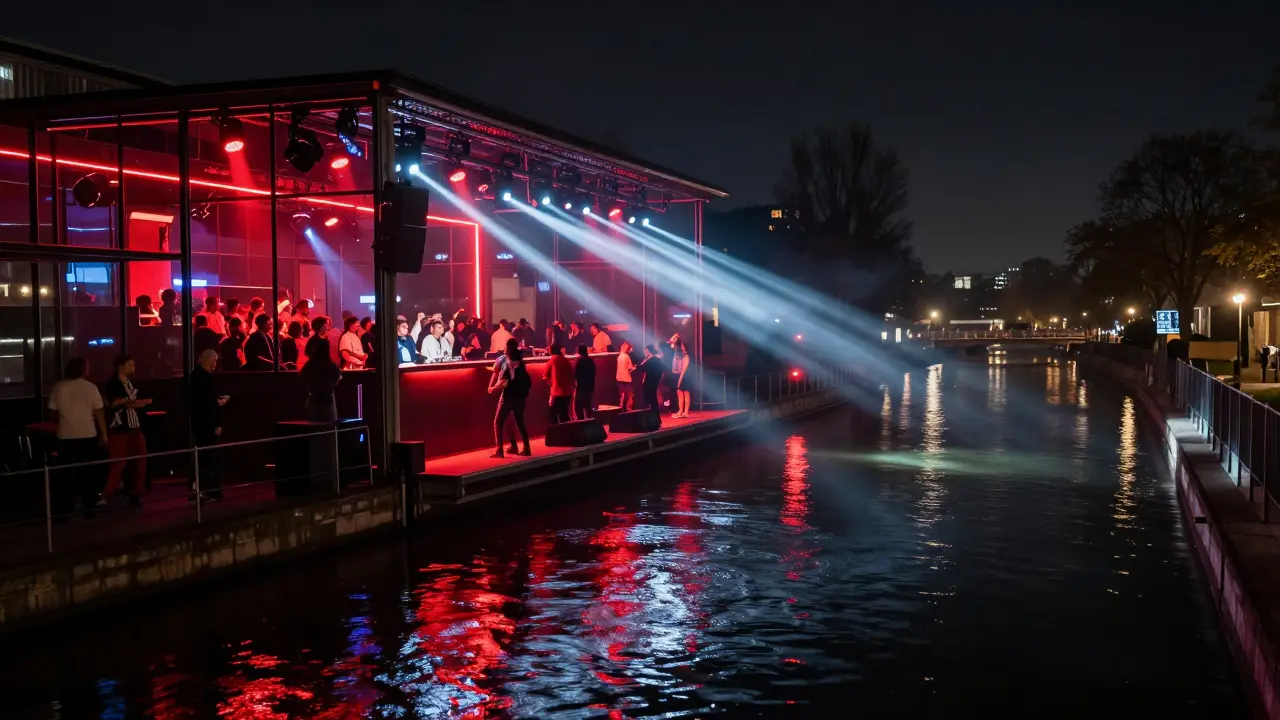
Sitting right by the water, Folie Douce is one of the largest clubs in Paris, known for its distinct red light aesthetic and dual-level dance floor design. The setting allows for a more relaxed arrival experience, often spilling out onto the canal walkways during warmer months. It attracts a slightly younger demographic compared to the industrial haunts, favoring those who enjoy big-name DJs and a mix of electro-pop tracks.
Getting here is straightforward using public transport. Once inside, the sheer scale can be intimidating, but the staff are used to guiding guests through the labyrinthine layout. It is a commercial powerhouse, so expect higher ticket prices, especially for guest lists during peak season.
How to Secure Your Spot on the Guest List
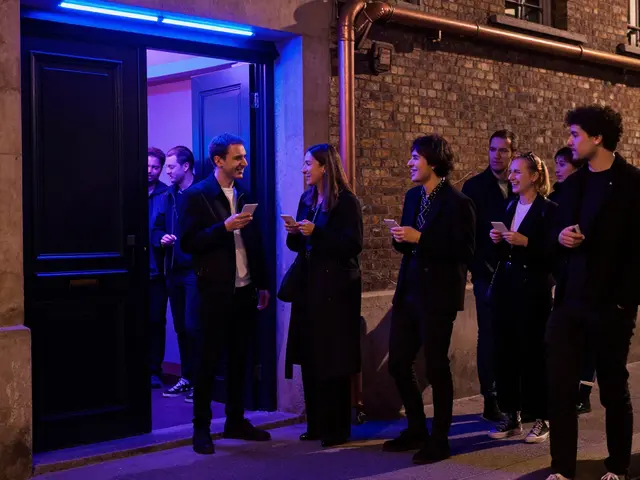
In Paris, the door policy (or the bouncer) holds immense power. Paying full price at the door is common, but saving money is possible if you navigate the guest list system correctly. Reputable promoters operate online platforms where you can RSVP ahead of time. This usually guarantees free entry before a certain hour, typically 1 AM.
Do not rely solely on walking up to the door hoping for luck unless you are there with a large group. Solo females and groups of four to six people generally have an easier time getting priority. However, being polite to the security is mandatory. Aggression gets you blacklisted instantly. Also, note that carrying large bags can slow down entry, so travel light.
Understanding Pricing and Entry Fees
Prices fluctuate wildly depending on who is playing. A standard Friday night might ask for 20 EUR at the door. Special events with international acts can easily jump to 50 EUR or more. Most clubs do not accept cash anymore; card terminals are ubiquitous. It is wise to check your bank before traveling to ensure your cards work internationally in France to avoid embarrassing rejections at the turnstile.
Drink prices are comparable to European standards, around 10 to 15 EUR per cocktail. Some larger venues offer wristbands for unlimited drinks, which can be worth the investment if you plan to stay until the very end of the night. Always check if the wristband includes access to the VIP section, as that can save significant costs on bottle service later.
Safety and Navigation Tips for Visitors
Paris is generally safe, but late-night scenarios require vigilance. Stick to main boulevards when leaving the club area. Many districts change character drastically after midnight; a lively street can suddenly feel empty. Use trusted taxi services or rideshare apps rather than hailing random cabs in dimly lit alleys.
Your phone number should be registered with your hotel or Airbnb host if you are solo. While pickpocketing is the main crime threat, drink spiking does happen in crowded environments. Never leave your glass unattended on the tables, and watch your own beverage being prepared if possible. Having a designated meeting point with your friends is also a good idea, as mobile signals sometimes drop in packed venues.
Choosing the Right Vibe for Your Night Out
Deciding where to go depends on your tolerance for volume and chaos. If you prefer a curated experience with a touch of class, stick to the established venues in the Latin Quarter. If you crave the sweat and grit of a warehouse rave, head toward the northern industrial zones like Le Marquis de Sade. The beauty of the scene is variety; you can switch from a lounge to a rave within a single metro ride.
We recommend checking local listings the day before you visit to see who is performing. Social media pages of these clubs update regularly with lineups, making it easy to adjust your itinerary based on your musical preference. Don't sleep on the smaller indie spots either; sometimes the best nights happen in hidden backrooms where the music feels fresh and exclusive.

BETHI REDDY
March 31, 2026 AT 18:44The cultural significance of nocturnal socialization extends far beyond mere amusement. One observes that the industrial architecture serves a specific psychological purpose. It isolates the participant from the mundane concerns of daylight existence. Such separation is necessary for true immersion. The dress code reflects a desire for uniformity among the elite crowd. We do not wish for tourists to disrupt the sanctity of the space. These venues curate an environment of refined auditory experiences. The bass frequencies resonate through the body in a controlled manner. This is art presented within a cavernous void. Proper attire signals your understanding of these nuances.
Security checks are merely procedural for those who belong. The exclusion of casual observers preserves the energy levels required.