Moulin Rouge: Paris Icon, Cabaret Legacy, and Nightlife Legend
When you think of Moulin Rouge, the world-famous cabaret in Paris known for its red windmill and extravagant can-can shows. Also known as the birthplace of modern cabaret, it has shaped how the world sees Parisian nightlife since 1889. This isn’t just a tourist photo op—it’s a living piece of performance history that still pulls in thousands every night.
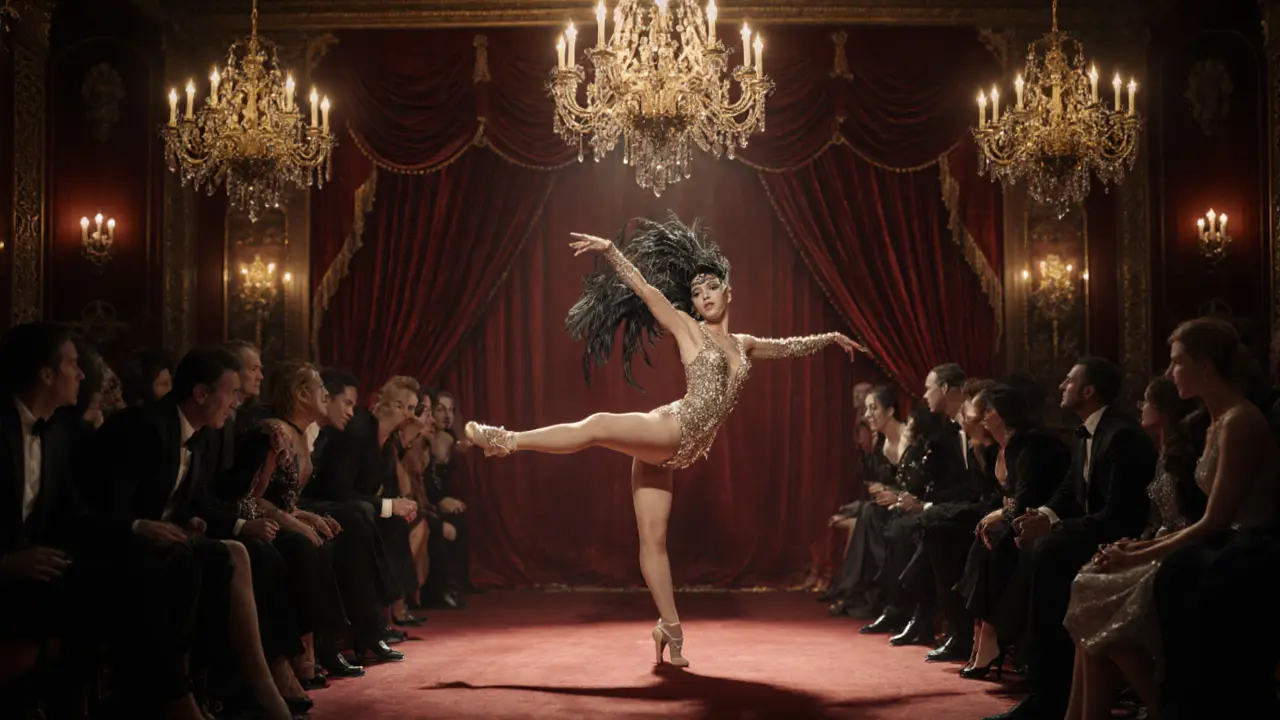
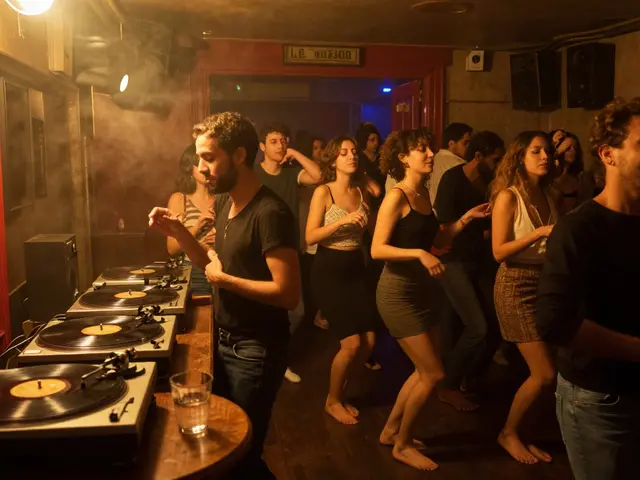
Moulin Rouge isn’t alone in the Paris nightlife scene. It sits alongside places like Raspoutine Paris, a 1920s-inspired cabaret with live jazz and theatrical performances, and Badaboum Paris, an underground club where music comes first and pretense is left at the door. But while those spots thrive on intimacy and raw energy, Moulin Rouge delivers spectacle. Think glitter, feathers, high-kicking dancers, and orchestras playing under a giant red windmill. It’s theater. It’s tradition. And yes, it’s expensive—but if you go in knowing what you’re paying for, it’s worth every euro.
People often confuse Moulin Rouge with other Paris nightlife spots like Matignon or T7, but those are about exclusivity and silence. Moulin Rouge is loud, bold, and unapologetic. It doesn’t hide. It doesn’t whisper. It screams with music and movement. The shows last about two hours, with two acts, and tickets start around €90 for standing room. If you want a table with champagne, expect to pay over €200. But here’s the truth: the best seats aren’t the front row—they’re in the middle, slightly to the side, where you get the full stage view without the glare of spotlights in your eyes.
You’ll find people come here for the romance, the history, or just because they’ve seen it in movies. But what most don’t realize is how much work goes into keeping this place alive. The dancers train six days a week. The costumes cost more than a car. The musicians play the same songs every night, yet make them feel new. This isn’t a theme park—it’s a professional stage that’s been running for over 130 years.
And while some try to sell you "VIP experiences" or "secret backstage tours," the real magic is in the show itself. Skip the upsells. Just show up early, grab a drink at the bar, and let the lights rise. You’ll see why this place still matters—not because it’s flashy, but because it’s real. It’s the last great cabaret in the world that hasn’t sold out to corporate branding.
What you’ll find below are real stories from people who’ve been here—not the brochures, not the ads, but the quiet moments after the curtain falls: the dancer who took a break to eat a croissant in the alley, the tourist who cried watching the can-can for the first time, the local who still comes every Christmas because it feels like home. These aren’t reviews. They’re memories. And they’re all tied to one place—the Moulin Rouge.