
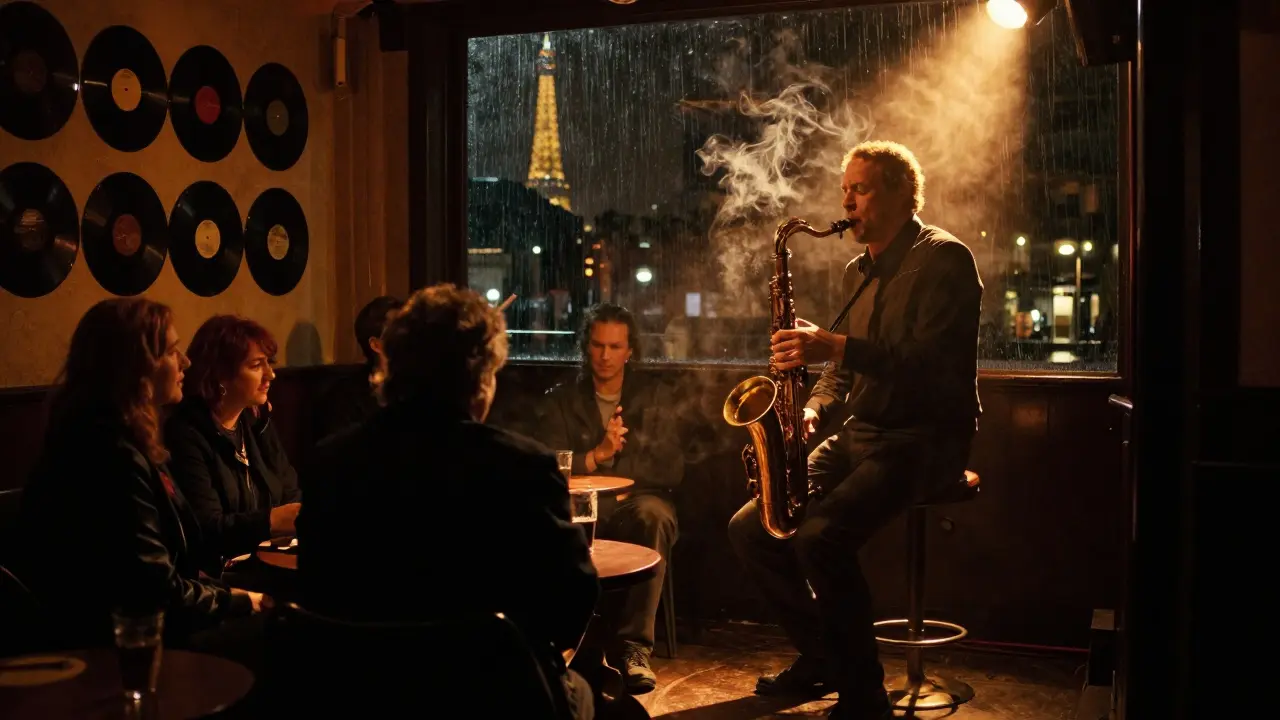
You’ve walked the Seine at dusk, marveled at the Eiffel Tower glittering like a jewel, and eaten your weight in croissants. But when the sun sets, Paris doesn’t sleep-it thumps. The city’s real soul doesn’t live in museums or cafés. It pulses in dimly lit basements, on rooftop terraces with bass vibrating through your chest, and in alleyway bars where jazz spills onto the cobblestones like spilled wine. This isn’t just partying. This is music ruling the night.
Paris Nightlife Isn’t Just Clubs-It’s a Symphony of Sounds
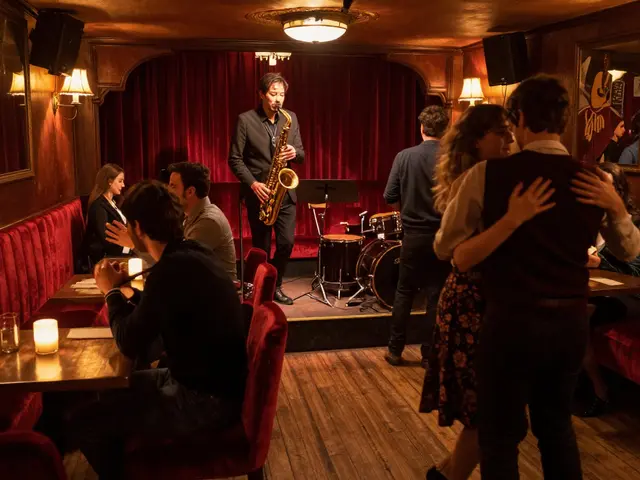
Think Paris nightlife and you might picture crowded techno warehouses or fancy champagne lounges. But that’s only half the story. The real magic? It’s in the variety. One night, you’re in a 1920s-style speakeasy where a saxophonist plays Louis Armstrong tunes like he’s channeling the ghost of Django Reinhardt. The next, you’re dancing in a warehouse in the 19th arrondissement while a local DJ drops a remix of Edith Piaf over a trap beat. There’s no single vibe here. There’s a whole orchestra.
And it’s not just for tourists. Locals know the hidden spots. The ones with no sign, just a flickering bulb above a narrow door. You’ll find students from La Sorbonne sipping cheap wine beside retired jazz musicians who played with Chet Baker. The music here isn’t background noise-it’s the reason people show up.
What Makes Paris Nightlife Different?
Most cities have clubs. Paris has scenes. Each neighborhood has its own rhythm.
- In Le Marais, it’s queer-friendly dance floors and indie rock bands that sound like they were made for rainy Tuesday nights.
- In Belleville, you’ll find Afrobeat nights, underground hip-hop cyphers, and bars where the bartender knows your name by the third drink.
- In Montmartre, jazz still lives in tiny rooms above bistros, where the air smells like cigarette smoke and old vinyl.
- In La Villette, industrial spaces turn into electronic music temples on weekends, with light shows that make the ceiling feel like it’s melting.
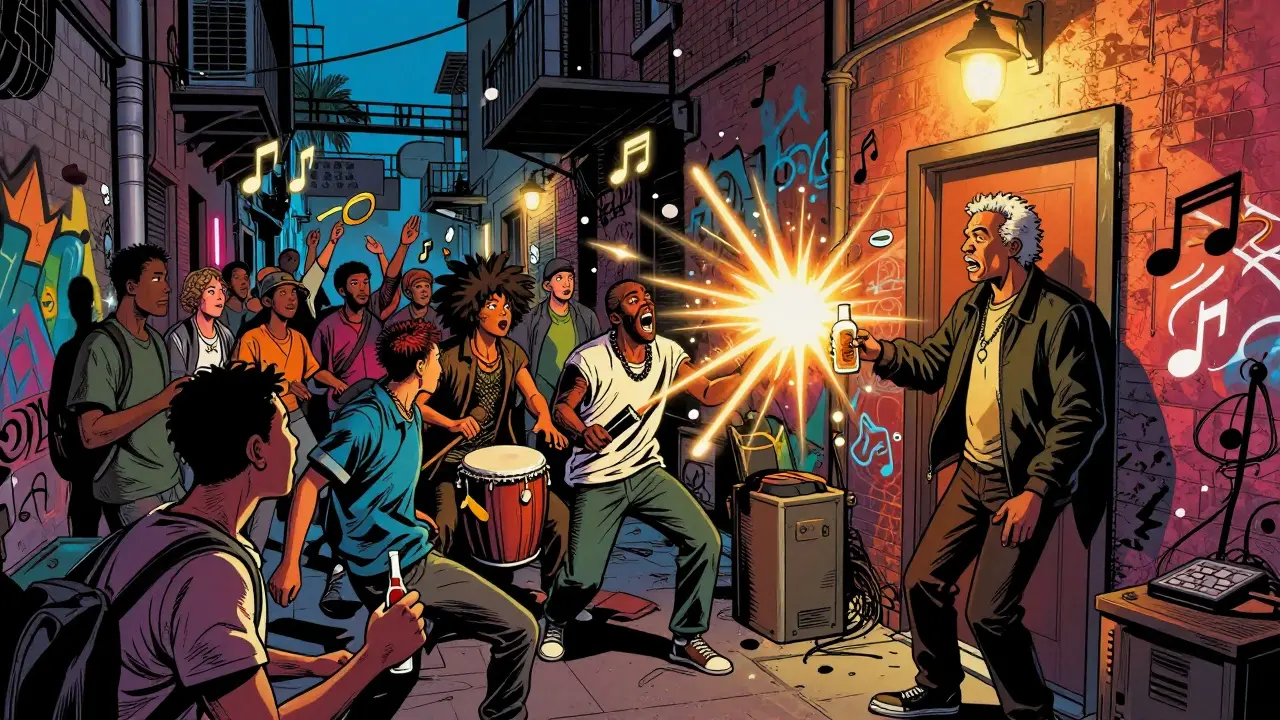
What sets Paris apart? The rules. Unlike London or Berlin, Paris has a curfew. Most clubs shut down by 3 a.m. But here’s the twist: that doesn’t mean the night ends. It means the music moves. You’ll find people spilling into 24-hour cafés, jamming on street corners, or heading to after-hours spots that don’t even have a name on the door-just a whispered code word.
Where to Find the Best Live Music in Paris
If you want to hear something real-not just a playlist pumped through speakers-here are the spots that locals swear by:
- New Morning (10 Rue des Petits-Champs): A legendary jazz and soul club since 1979. Miles Davis played here. So did Nina Simone. Now it’s home to rising French R&B artists and touring American acts. The sound system? Crisp enough to hear every breath of the vocalist.
- La Cigale (136 Rue de Chabrol): A grand old theater turned rock and pop venue. Big-name indie bands from France and beyond play here. The balconies are perfect if you want to lean back and just listen.
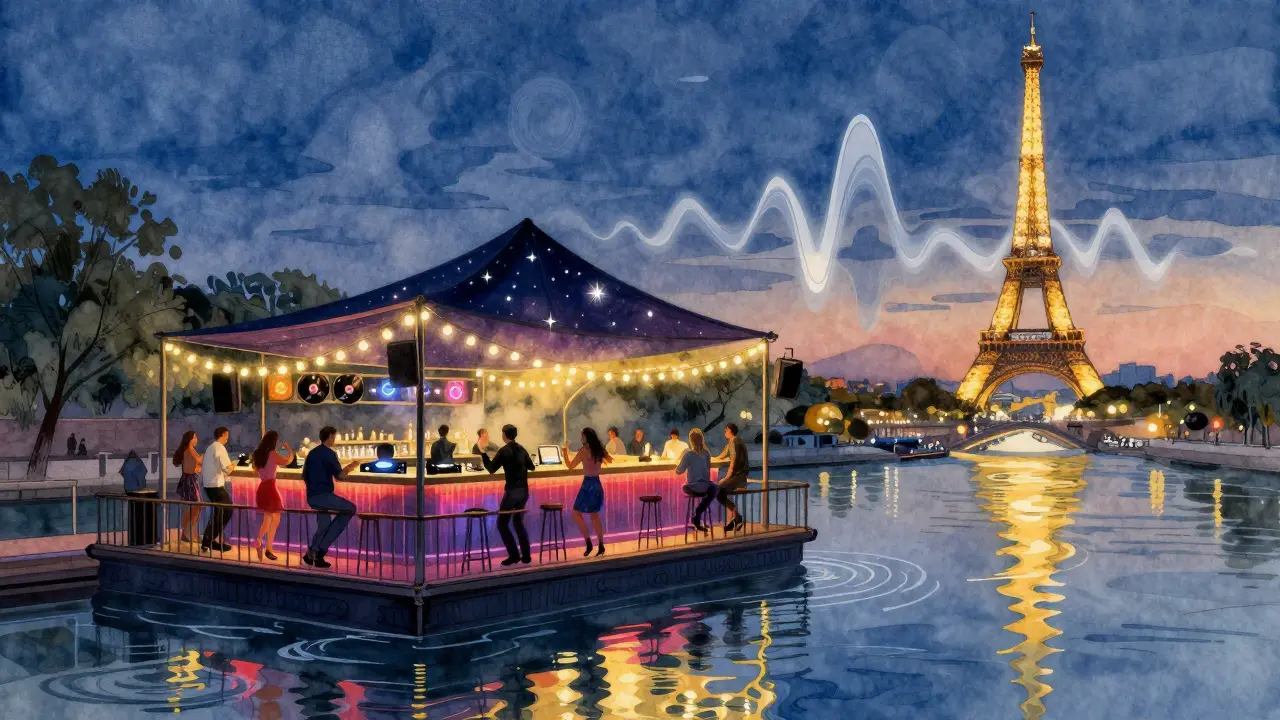
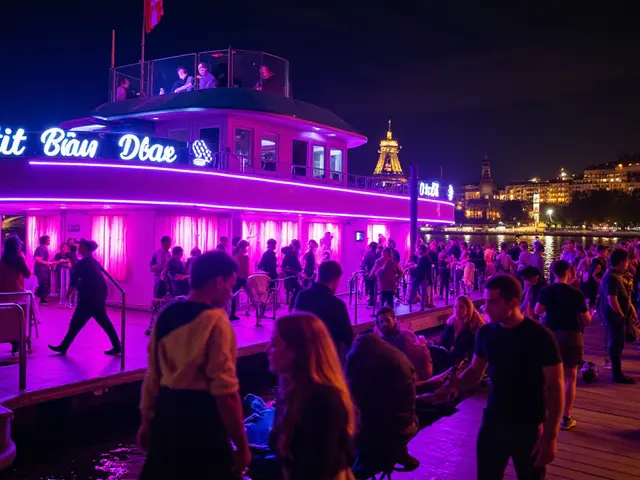
- Le Petit Bain (12 Quai de la Gare, 13th): A floating bar-club on the Seine. Open-air decks, sunset sets, and DJs spinning house and disco. It’s not just music-it’s a floating party with a view of the Eiffel Tower.
- La Machine du Moulin Rouge (14 Rue des Petits-Champs): Not the famous cabaret. This is the hidden basement club beneath it. Underground techno, experimental electronic, and noise acts. No fancy decor. Just pure sound.
- Le Trianon (22 Rue de Châteaudun): A historic venue with a modern soul. Think French rock, punk, and pop with a theatrical edge. The crowd? Young, loud, and totally into it.
Pro tip: Check Paris Jazz Club or Le Son du Loup websites for weekly lineups. Most events are free before 11 p.m. or cost under €15. You don’t need to break the bank to hear something unforgettable.
What to Expect When You Step Inside
Walking into a Parisian music venue feels different than walking into a club in New York or Tokyo. There’s less flash. More feeling.
You won’t find bottle service with glittering ice buckets. Instead, you’ll get a small glass of red wine for €7, a beer for €5, and a bartender who doesn’t care if you’re wearing designer shoes or sneakers. The lighting? Low. The crowd? Close. The energy? Electric.
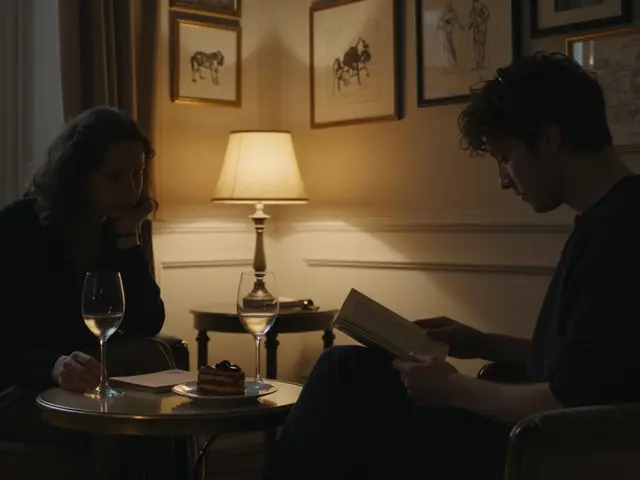
People don’t come to be seen. They come to feel. You’ll see someone dancing alone in the corner, eyes closed, lost in a saxophone solo. A group of friends shouting lyrics to a song only French kids know. A couple slow-dancing to a melancholy chanson while the rain taps against the window.
And the sound? It’s never just background. It’s the reason you’re there. The bass doesn’t shake the floor-it shakes your ribs. The vocals don’t echo-they echo inside your chest.
How to Find These Places Without Getting Lost
Paris isn’t a city you navigate with Google Maps alone. Many venues don’t show up clearly, and the streets twist like a jazz riff.
- Use Spotify playlists like “Paris Nightlife 2025” or “Underground Paris Jazz” to find artists playing in your target neighborhood. Then Google the artist’s name + “Paris live”.
- Follow local blogs: Paris Update and Time Out Paris update weekly with underground gigs.
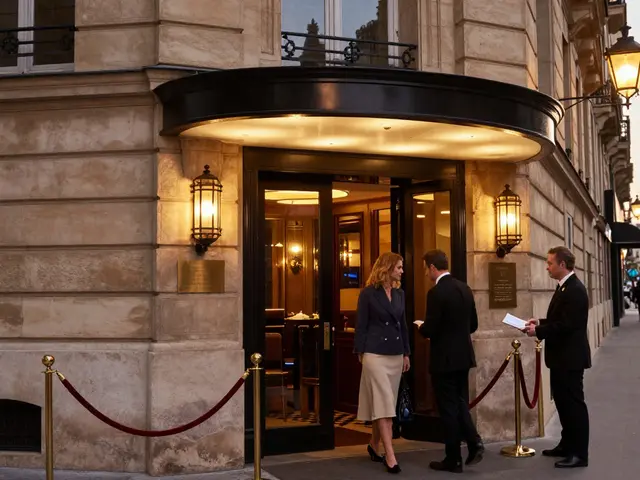
- Ask at your hotel front desk-not for the tourist spots, but for “where do you go when you’re off duty?” They’ll give you the real names.
- Look for queues. If you see a line of 20 people outside a door with no sign, you’re probably at the right place.
And don’t be afraid to wander. Some of the best nights start with a wrong turn.
Price Range: You Don’t Need to Spend a Fortune
Paris nightlife doesn’t have to cost €100 a night.
| Experience | Cost (€) | What’s Included |
|---|---|---|
| Entry to a jazz club (before 11 p.m.) | 0-10 | One drink, live music |
| Club entry (after midnight) | 10-25 | Entry, two drinks, DJ set |
| Live concert (mid-sized venue) | 15-35 | Reserved seat, full set |
| After-hours bar (3 a.m.-6 a.m.) | 5-15 | Drinks, no cover, chill vibe |
| Private rooftop party (weekend) | 40-70 | Open bar, live act, view |
Many venues have happy hours from 8-11 p.m. with half-price drinks. And if you’re under 26? Bring your ID. Most places offer youth discounts.
Safety Tips for Night Out in Paris
Paris is safe-but like any big city, you need to stay sharp.
- Avoid flashing cash or expensive phones. Pickpockets target tourists near metro exits after midnight.
- Use Uber or Bolt instead of random taxis. Licensed cabs have meters and IDs.
- Stick to well-lit streets. If a place feels off, leave. There’s always another bar.
- Don’t accept drinks from strangers. Even in Paris, the rule stays the same: never leave your glass unattended.
- Know your neighborhood. Montmartre is great at night-but avoid the steep, empty alleys near the basilica after 2 a.m.
Most venues have security, and locals are generally helpful. If you look lost, someone will ask if you need help. Say yes.
Paris Nightlife vs. Berlin Nightlife: What’s the Difference?
| Aspect | Paris | Berlin |
|---|---|---|
| Curfew | 3 a.m. (strictly enforced) | No official curfew |
| Music Focus | Jazz, chanson, French indie, soul | Techno, house, experimental |
| Vibe | Intimate, emotional, literary | Industrial, raw, anonymous |
| Entry Cost | €10-35 | €5-20 |
| Drinks | €5-12 | €3-8 |
| Best For | Music lovers who want soul and story | Partygoers who want endless hours |
Paris isn’t trying to be Berlin. It doesn’t need to. It’s quieter, deeper, more poetic. You don’t dance here to escape-you dance here to remember.
Frequently Asked Questions
Is Paris nightlife safe for solo travelers?
Yes, if you stay aware. Most music venues are welcoming to solo visitors, especially in Le Marais, Belleville, and the 13th arrondissement. Stick to places with good lighting, avoid empty side streets after 2 a.m., and don’t be afraid to ask staff for help. Locals respect quiet, respectful travelers.
Do I need to speak French to enjoy Paris nightlife?
Not at all. English is widely spoken in music venues, especially those catering to tourists and expats. But learning a few phrases-like "Merci," "Une bière, s’il vous plaît," or "Quelle est la musique ce soir?"-goes a long way. You’ll get better service, friendlier smiles, and maybe even an invitation to join a table.
What’s the best night to go out in Paris?
Friday and Saturday are the busiest, but Tuesday and Wednesday are where the real gems hide. Fewer crowds, better sound quality, and DJs who take more risks. Many jazz clubs host special themed nights midweek-like "Lost Tapes of Paris" or "French Soul Revival." You’ll have more space to move, and the music feels more personal.
Can I find vegan or vegetarian options in Paris nightlife spots?
Absolutely. Most bars and clubs now offer plant-based snacks-think roasted chickpeas, vegan tapas, or hummus with sourdough. Places like Le Potager du Marais and Le Tricycle even have full vegan menus. Just ask: "Avez-vous des options végétariennes?"
What should I wear to a Paris nightclub?
There’s no strict dress code-except maybe at a few high-end lounges. For most places, clean, stylish casual is perfect. Think dark jeans, a good jacket, and comfortable shoes. Parisians dress to feel confident, not to impress. If you’re going to a jazz club, a scarf or hat adds character. For techno spots? Just show up. The music doesn’t care what you wear.
Ready to Hear Paris After Dark?
You don’t need a VIP list or a designer outfit. You just need curiosity. Put on your walking shoes, grab a map (or your phone), and walk until you hear something that stops you in your tracks. Maybe it’s a trumpet echoing down a quiet street. Maybe it’s a group singing in harmony outside a bar with no sign. That’s when you know you’ve found it.
Paris doesn’t shout its music. It whispers it. And if you listen closely, it’ll lead you somewhere unforgettable.

Vanessa Rose
December 23, 2025 AT 09:51What a beautifully written tribute to Paris’s musical soul. I’ve spent three winters there, and this captures exactly why I keep returning-not for the landmarks, but for the way a saxophone can turn a rainy alley into a cathedral of sound. The way you describe the intimacy of those basement gigs… I still dream about the night I heard a 78-year-old pianist play Bill Evans in Montmartre, just him and a single lamp.
Thank you for reminding me that music doesn’t need grand stages to be sacred.
Kendra Joiner
December 25, 2025 AT 06:37Your romanticization of Parisian nightlife is, frankly, a linguistic indulgence masking a colonial fantasy. Jazz was not born in Le Marais-it was born in New Orleans. The notion that Paris has a ‘unique’ musical soul ignores the fact that every city with a pulse has its underground scenes. The curfew? A bureaucratic constraint, not a poetic quirk. The ‘whispered code word’ after-hours spots? They’re unlicensed venues dodging tax enforcement. Your prose is elegant, but your analysis is superficial.
Paris is not a symphony-it’s a tourist brochure with a bassline.
Kristen Jacobsen
December 27, 2025 AT 01:48YES. This is everything. I went to Le Petit Bain last summer and just sat on the deck watching the Eiffel Tower sparkle while a DJ mixed French pop with Afrobeat-no one was staring at their phone. Everyone was just… there. Dancing. Laughing. Singing off-key. I cried a little. Not because it was fancy, but because it felt real.
Also, the €5 beer? Absolute legend. Paris, you win again.
Raven Ridinger
December 28, 2025 AT 10:31Oh, please. ‘Music ruling the night’? How quaint. You call a 3 a.m. curfew ‘poetic’? That’s not culture-that’s a municipal leash! And ‘jazz still lives’ in Montmartre? Ha! It’s a museum piece, performed for tips by guys who haven’t played anything original since 1987.
And don’t get me started on ‘underground’ venues that cost €15-those are just overpriced hipster traps with fairy lights and bad acoustics. Real nightlife doesn’t need a blog post to justify itself. It just happens. In Berlin. Or Detroit. Or even Chicago.
Paris thinks it’s the center of the world. It’s not. It’s just very good at marketing.
Timothy Chifamba
December 29, 2025 AT 05:35As someone who’s played live in Lagos and Paris, I can tell you: the vibe here is different. In Lagos, the energy is explosive-people dancing on tables, drums everywhere. In Paris? It’s more about listening. Like the music is a secret you’re allowed to overhear.
Also, the €7 wine at New Morning? That’s a steal. In Lagos, you’d pay triple for half the sound quality. And yes, the curfew? It forces you to savor it. You don’t rush. You linger. That’s not weakness-it’s wisdom.
And if you want real jazz? Ask for ‘Toutou’ at Le Caveau de la Huchette. He’s 84. Plays every night. No social media. Just soul.
andre maimora
December 30, 2025 AT 21:45Paris nightlife? More like Paris propaganda. You think those ‘hidden’ spots aren’t curated by tourism boards? The ‘whispered code word’? That’s a marketing gimmick to make tourists feel special. The curfew? Proof they’re afraid of real freedom. And don’t even get me started on the ‘French soul’-it’s just a cover for cultural elitism.
Real music doesn’t need a blog to tell you it’s deep. Real music doesn’t charge €15 to hear a saxophone. Real music happens in basements without a sign, and no one posts about it.
This article is a lie dressed in jazz chords.
Delilah Friedler
December 31, 2025 AT 00:59Thank you for this thoughtful and meticulously researched piece. The comparative analysis between Paris and Berlin is particularly illuminating, offering a nuanced perspective that transcends superficial tourism narratives. The inclusion of specific venues, pricing tiers, and cultural context elevates this from a travel guide to a cultural anthropology study.
I especially appreciate the emphasis on accessibility-many assume European nightlife is prohibitively expensive, but your breakdown of under-€15 experiences is both accurate and empowering. The safety tips, too, demonstrate a responsible, informed approach to urban exploration.
This is the kind of writing that transforms passive consumption into meaningful engagement. Well done.